





How EOT Cranes Are Powering the UAE’s Mega-Construction Boom
The United Arab Emirates has transformed its skyline into a testament of ambition and innovation. From the towering heights of the Burj Khalifa to the sprawling Expo 2020 site, the UAE’s rapid urbanization and infrastructure growth depend on heavy-lifting equipment that delivers precision, reliability, and safety.
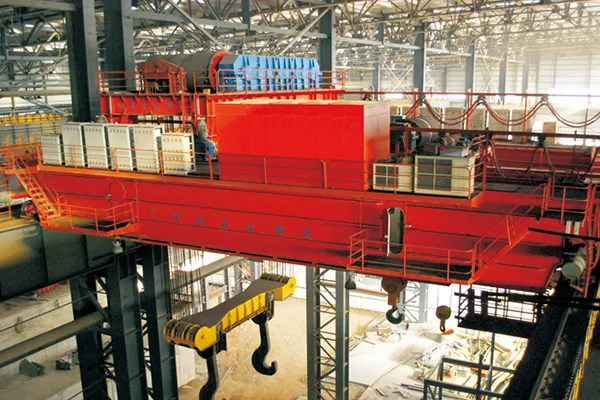
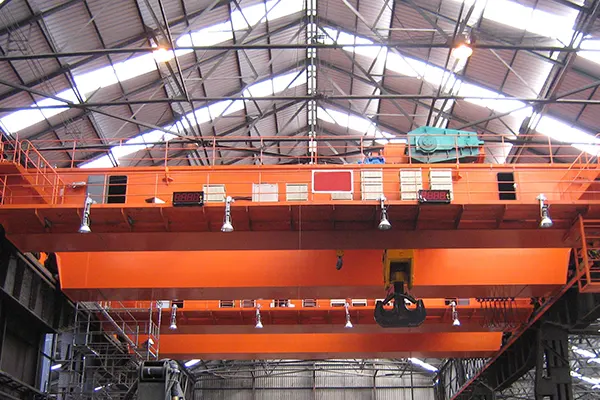
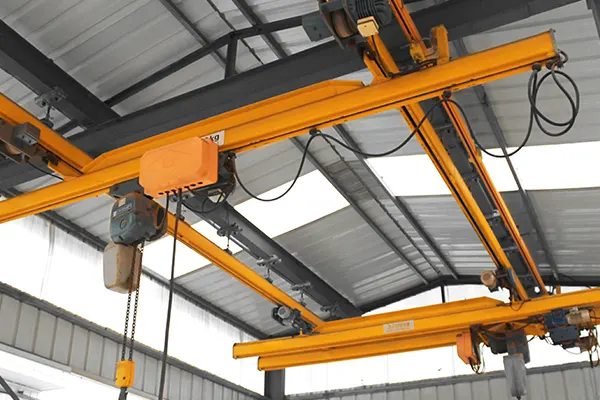
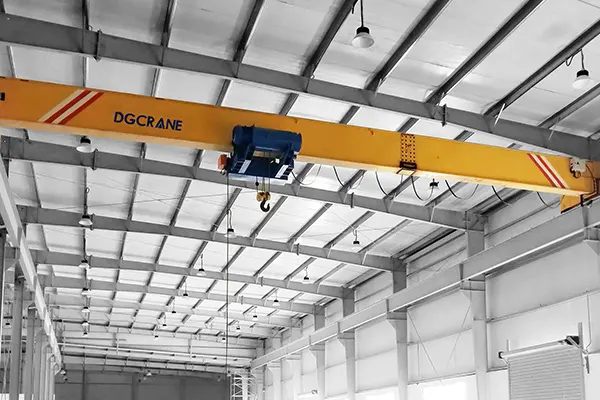
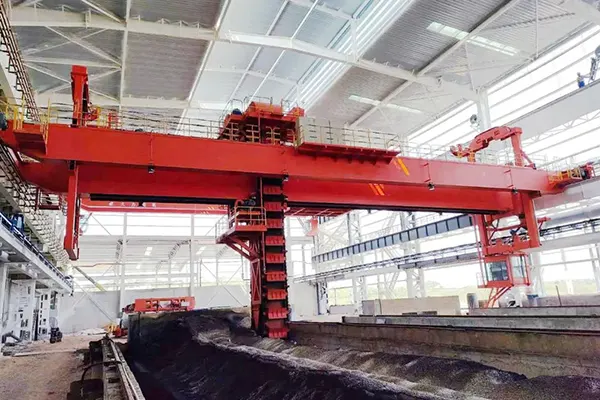
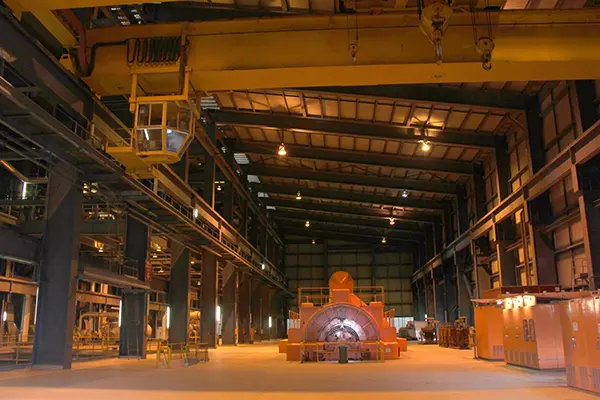
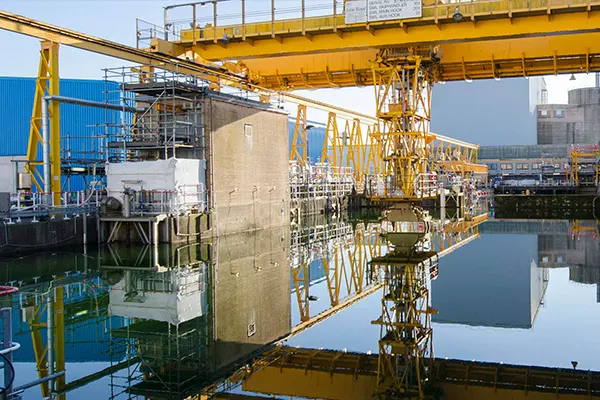
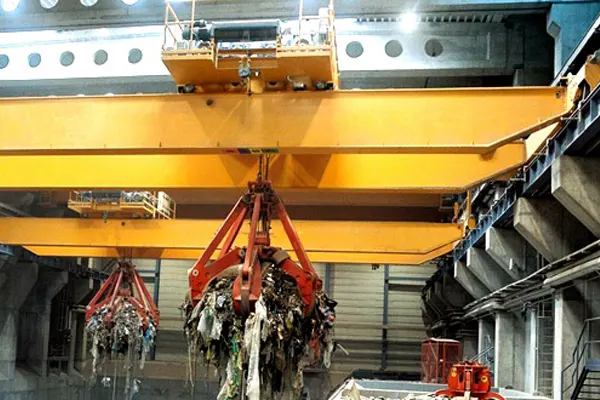
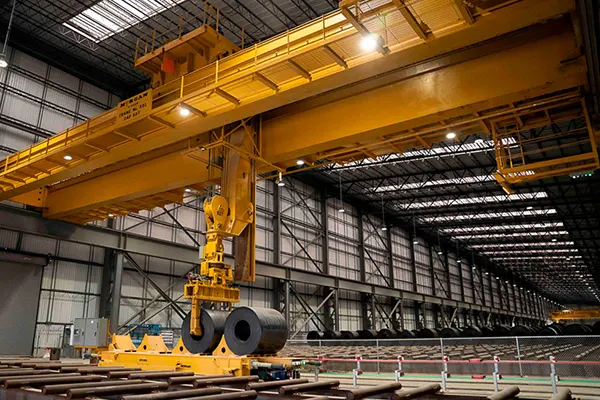
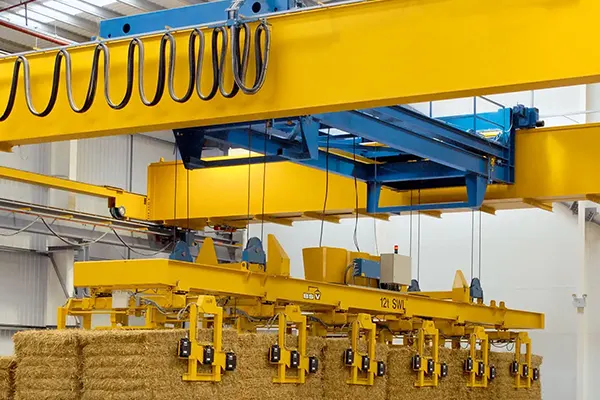
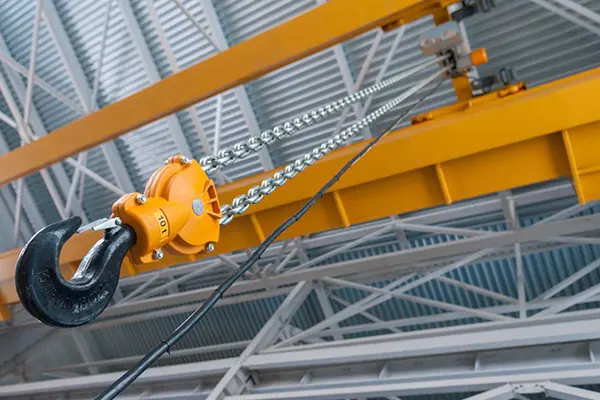
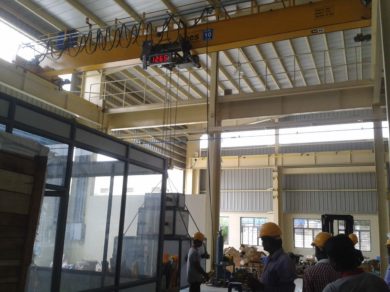
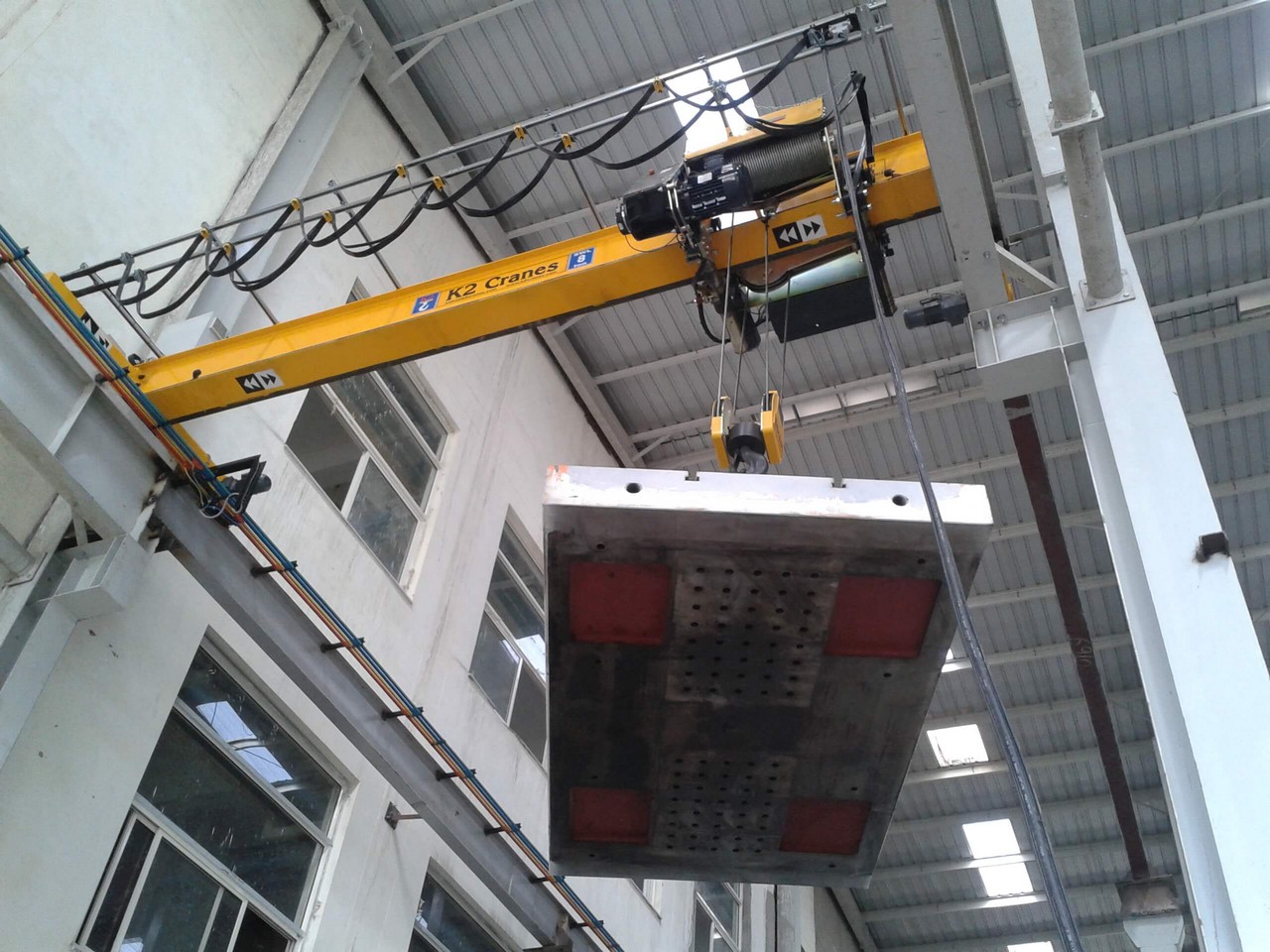
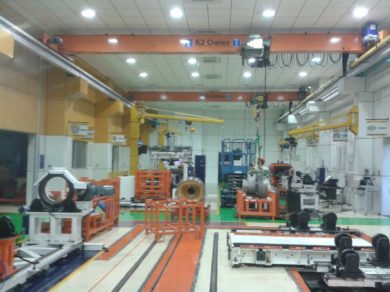
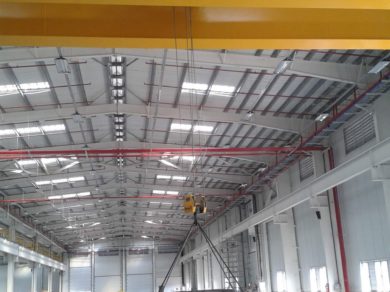
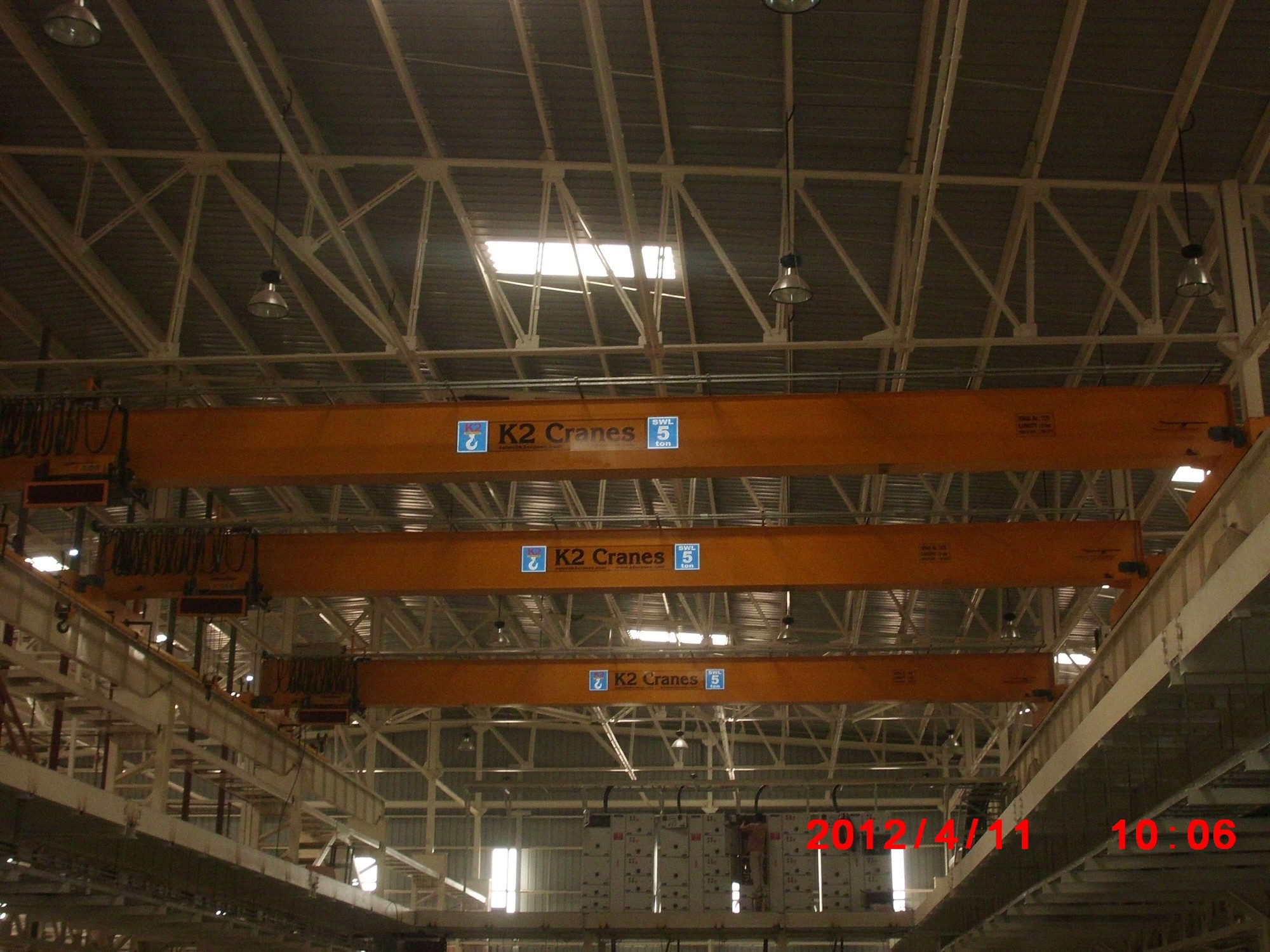
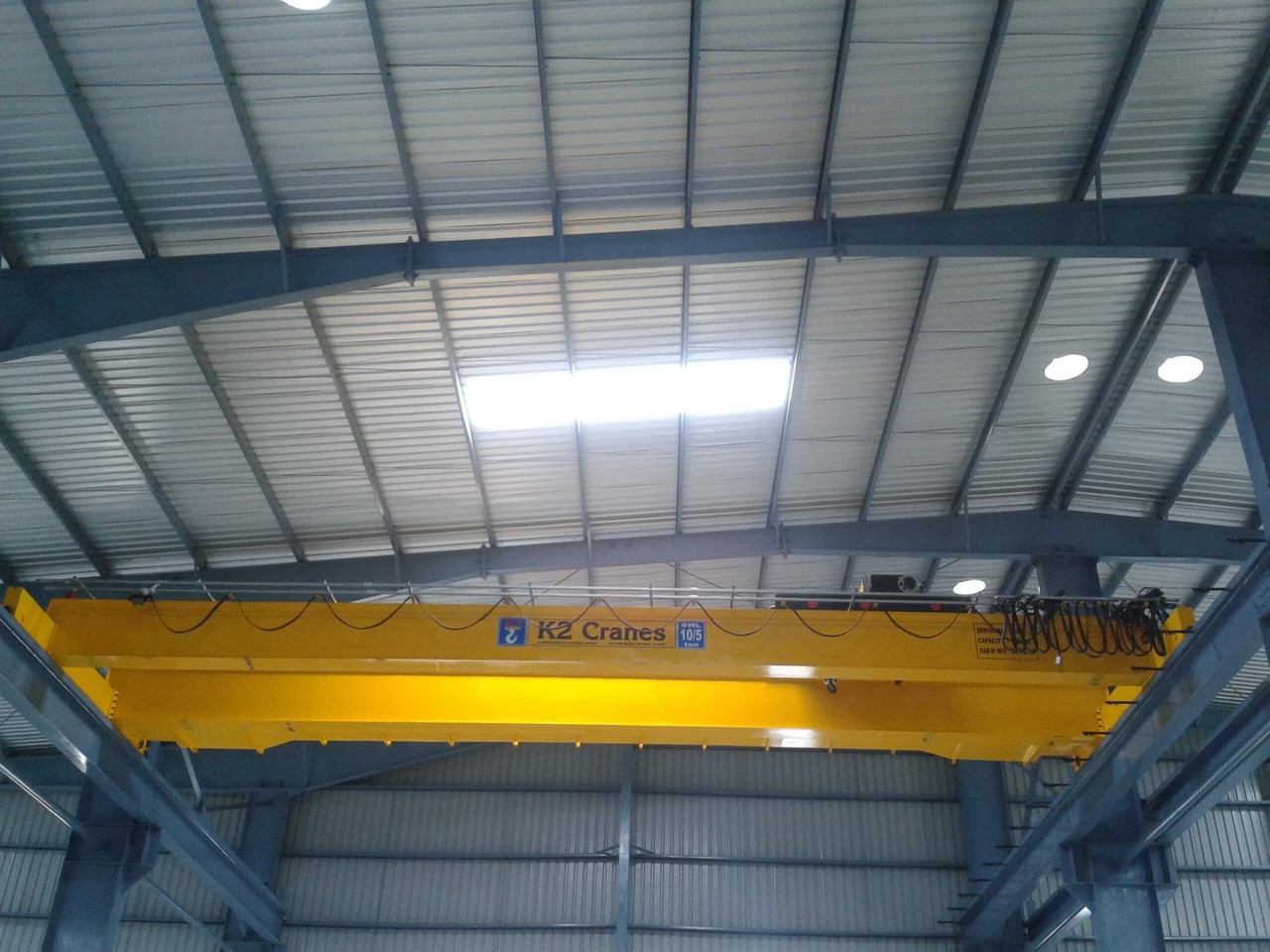
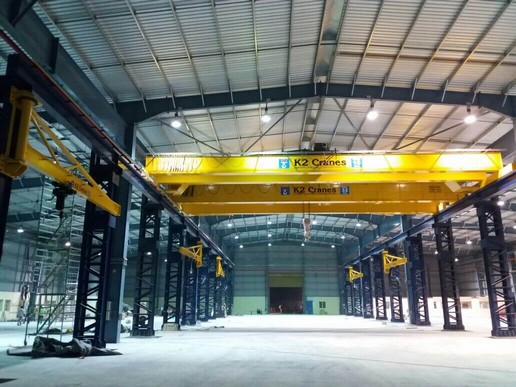
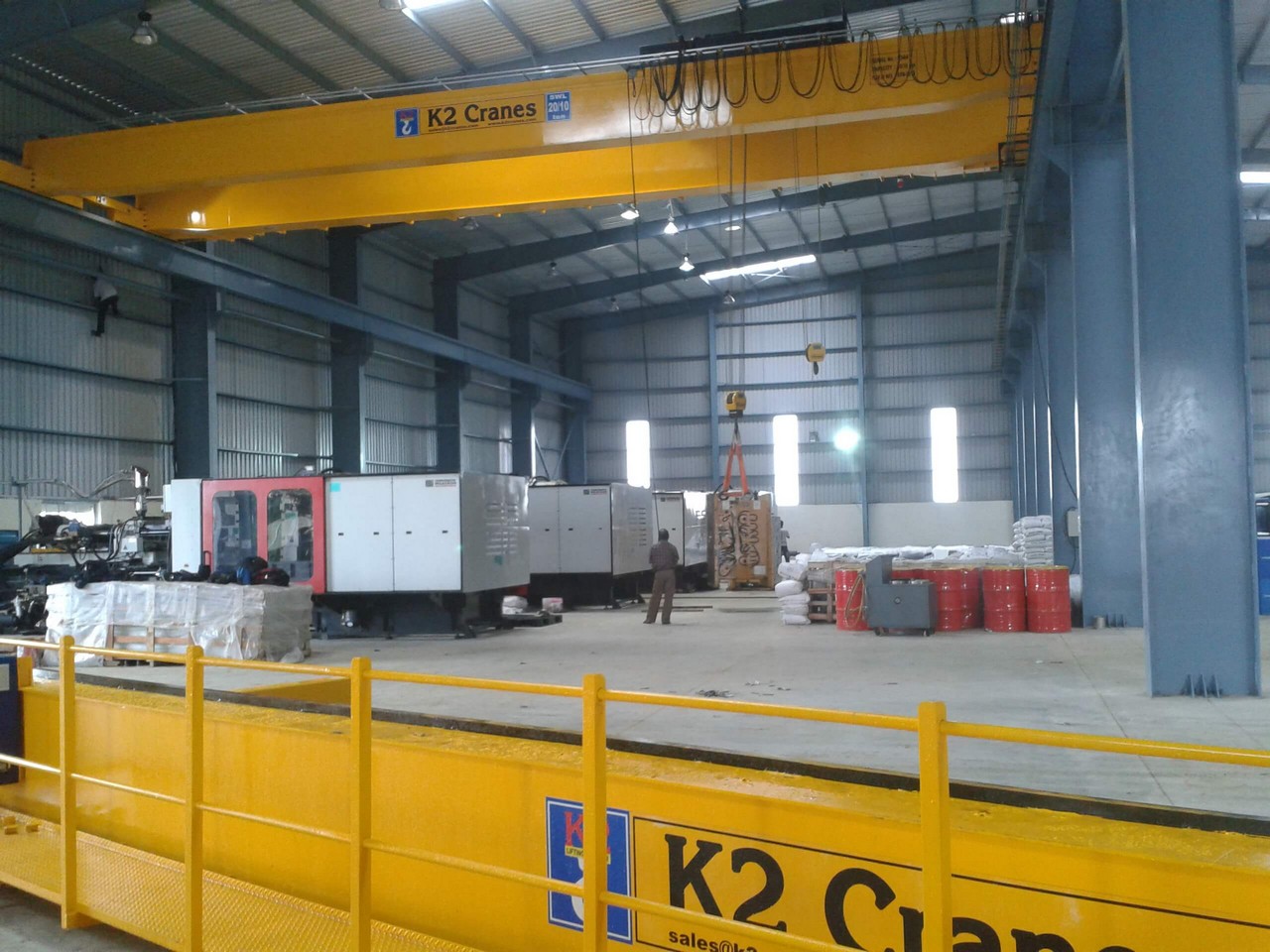
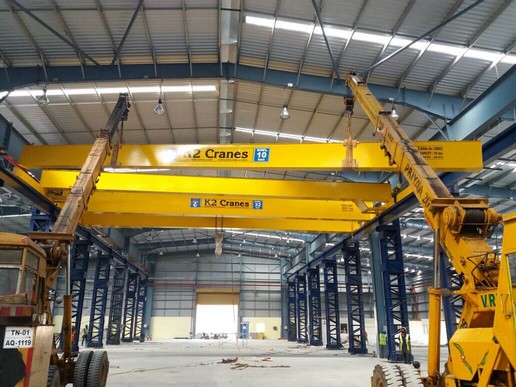
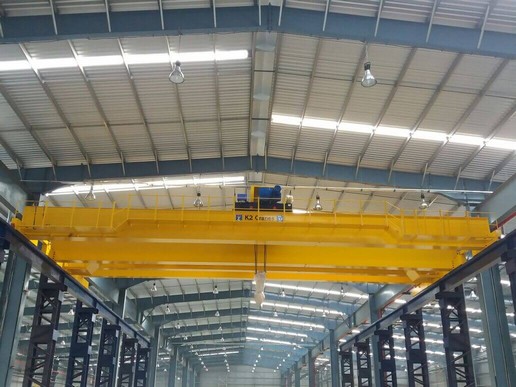
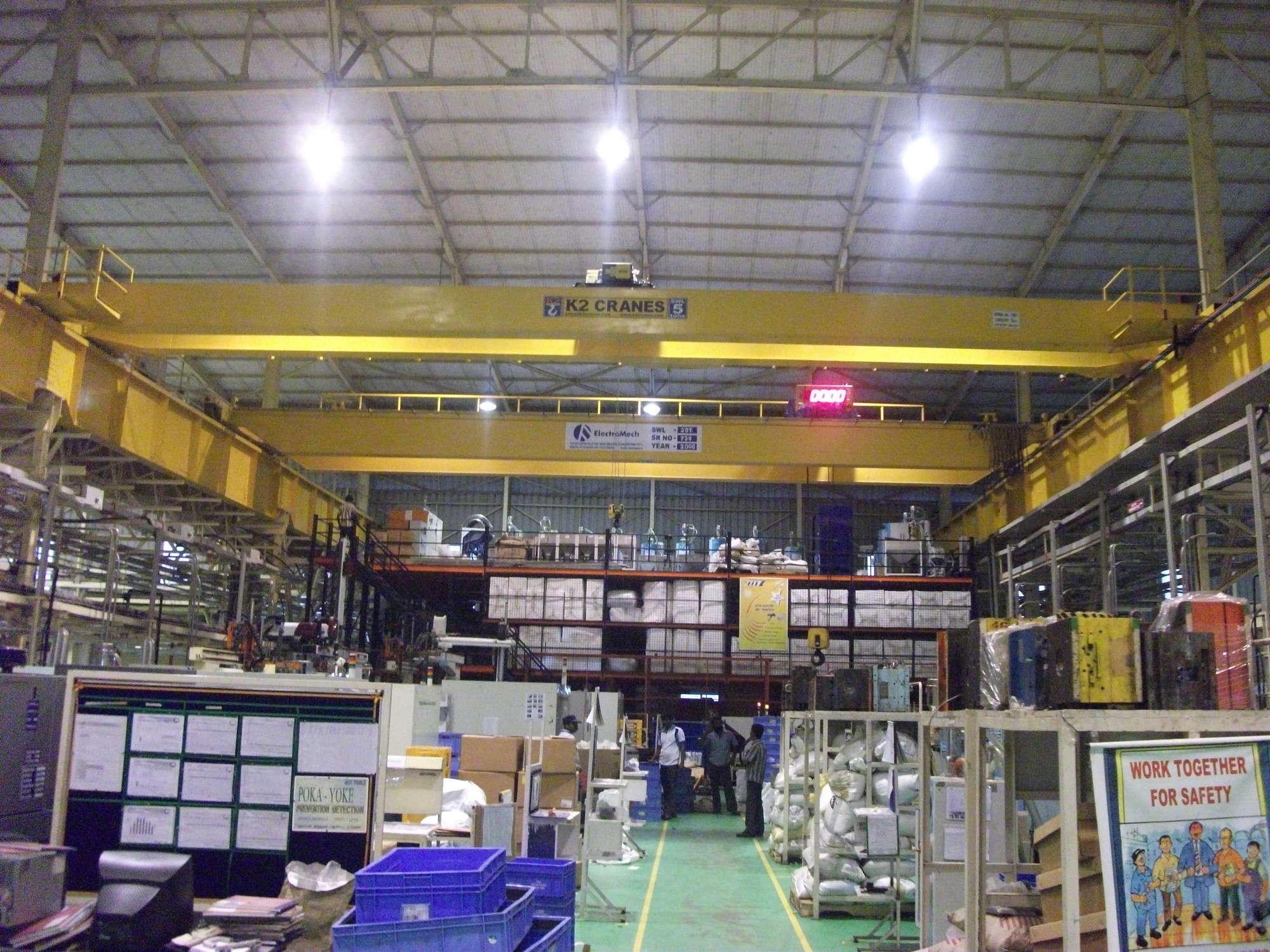
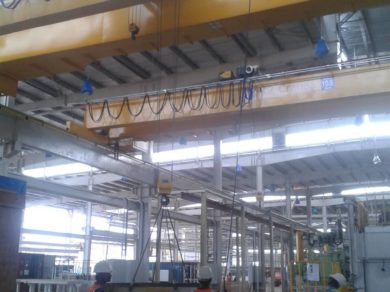
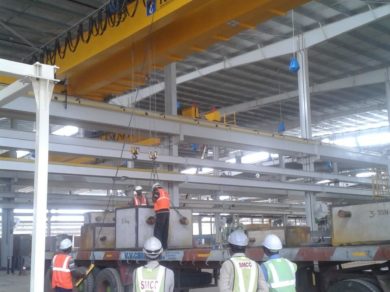
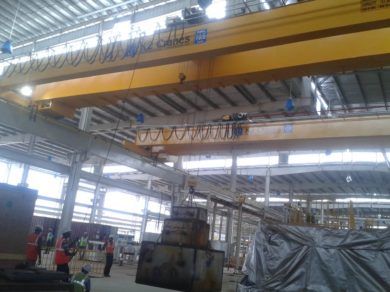
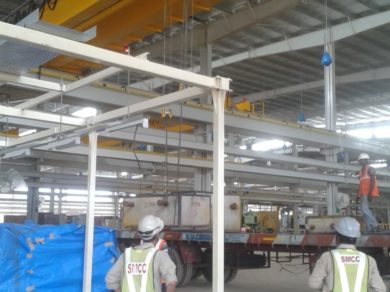
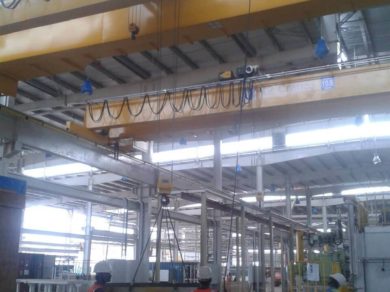
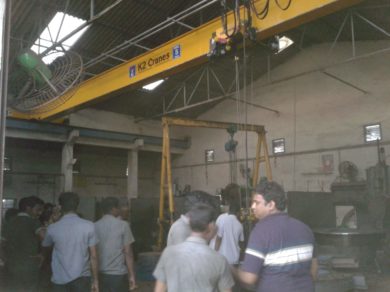
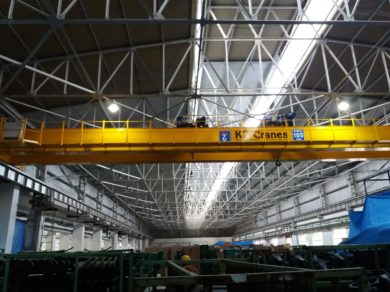
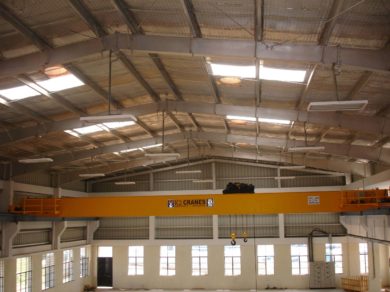
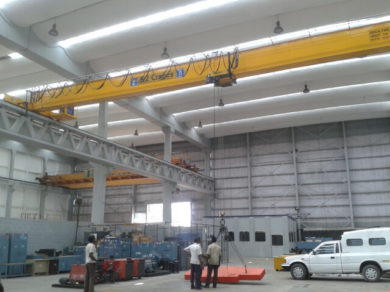
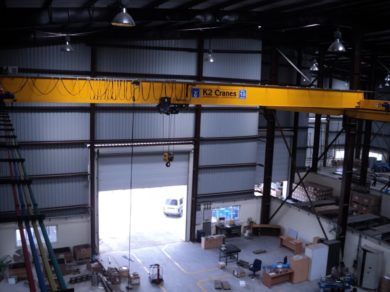
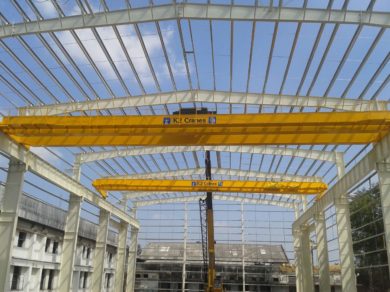
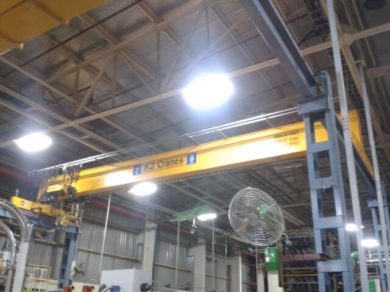
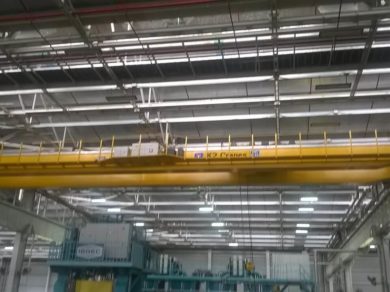
Enter the EOT (Electric Overhead Traveling) crane — the unsung workhorse empowering large-scale construction projects across the Emirates.
The Scale of the UAE’s Construction Revolution
- Iconic Landmarks: Projects such as the Dubai Metro expansion, Yas Island developments in Abu Dhabi, and the Mohammed bin Rashid Al Maktoum Solar Park demand precise, heavy-duty material handling.
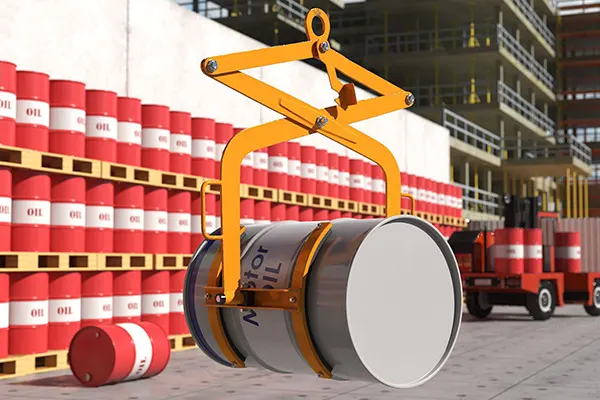
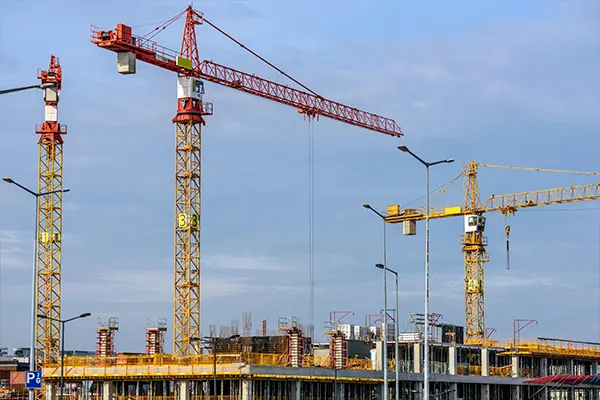
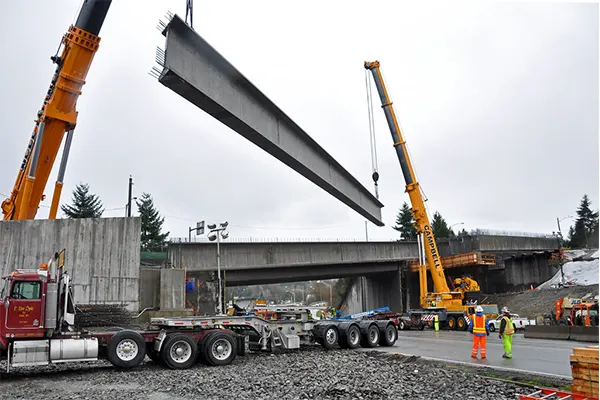
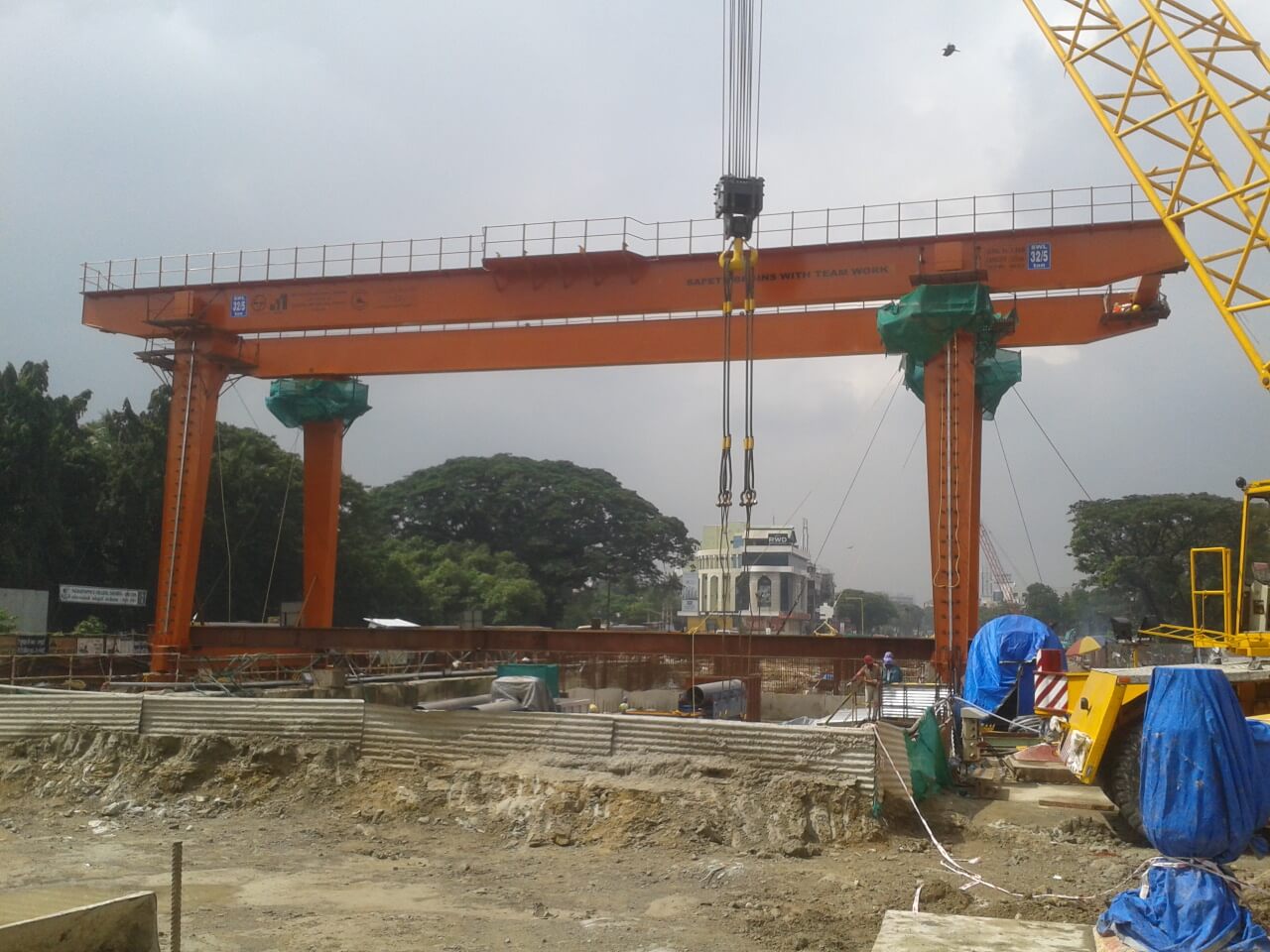
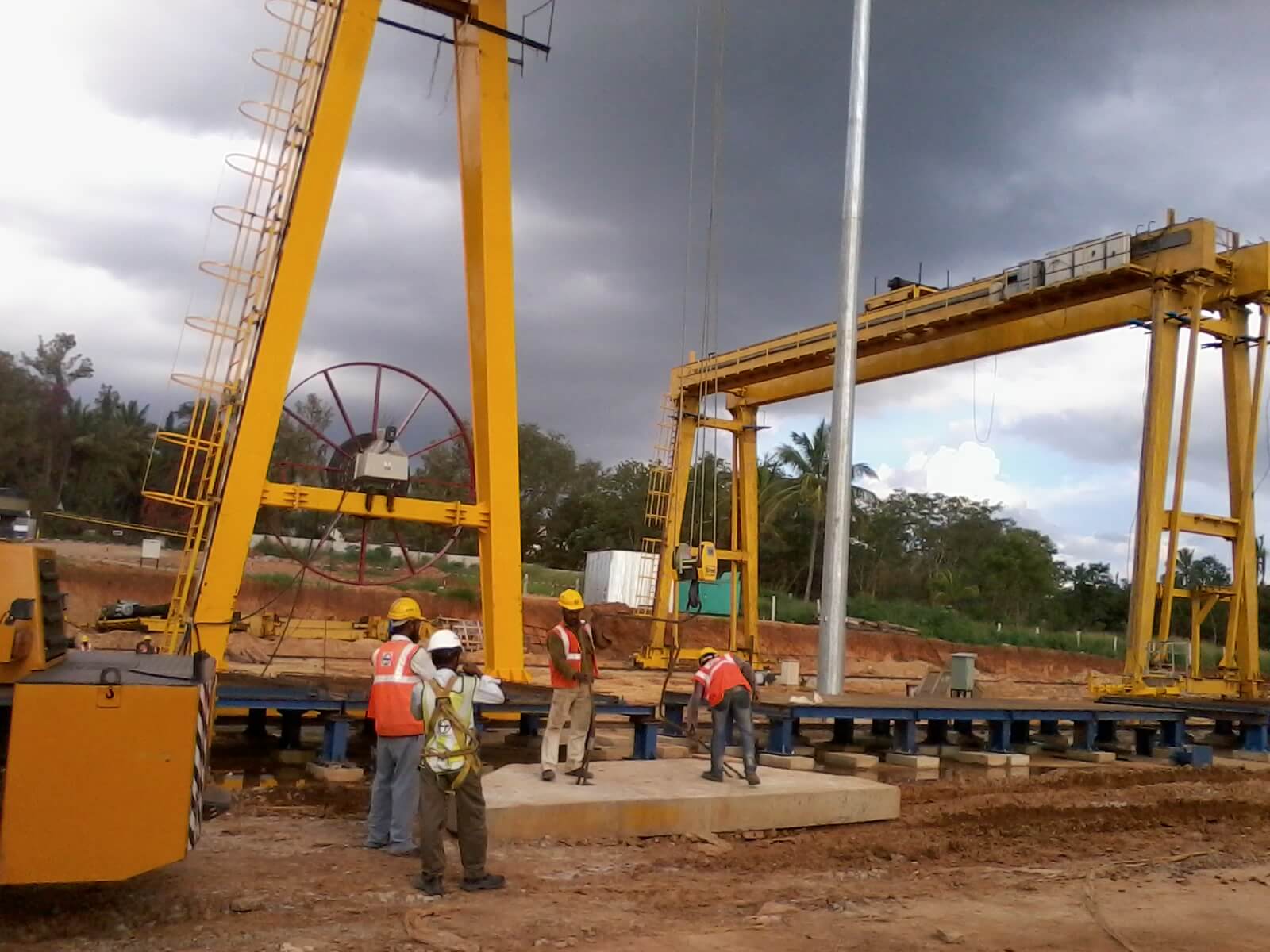
- Massive Logistics: Hundreds of tons of steel girders, concrete segments, and mechanical modules must be moved swiftly and safely across multi-story sites.
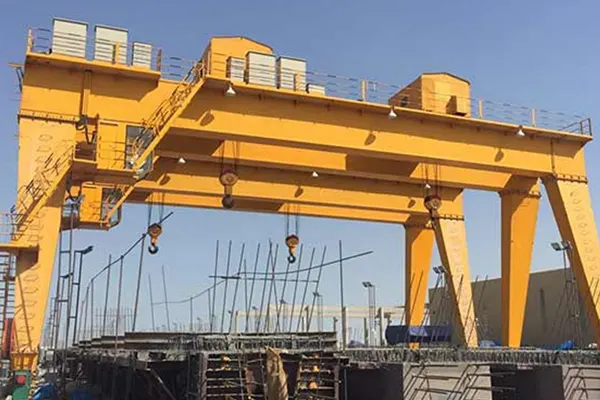
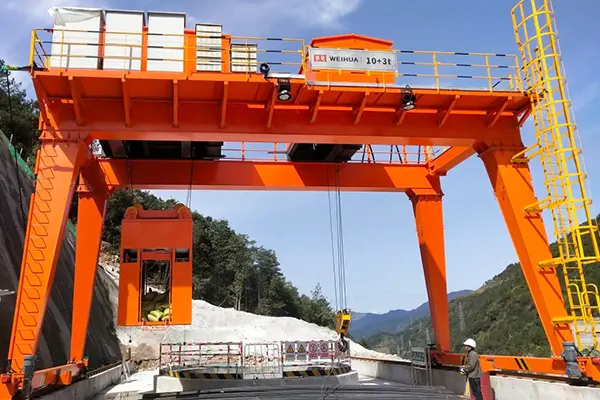
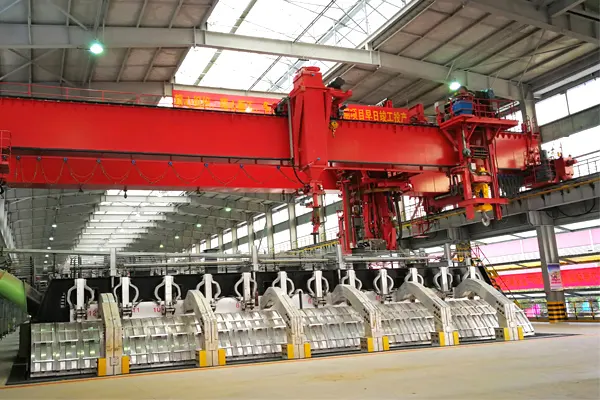
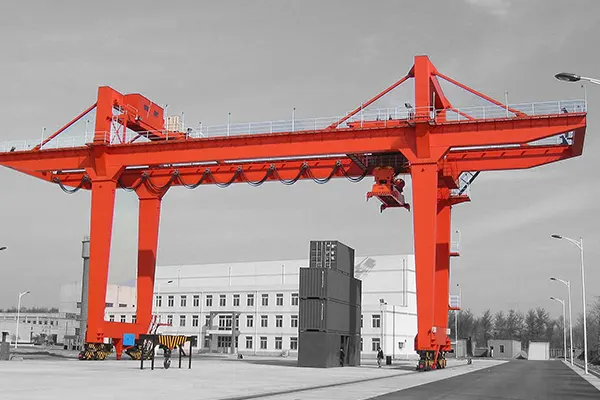
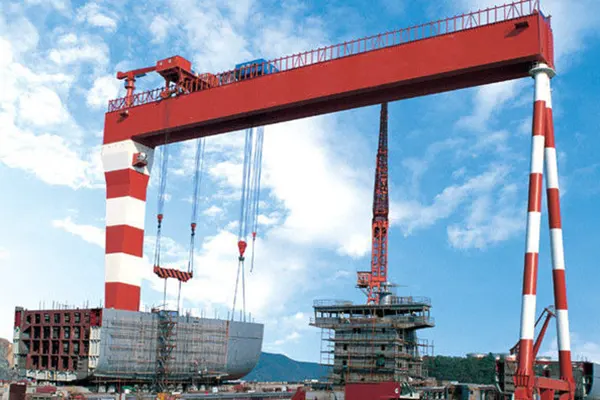
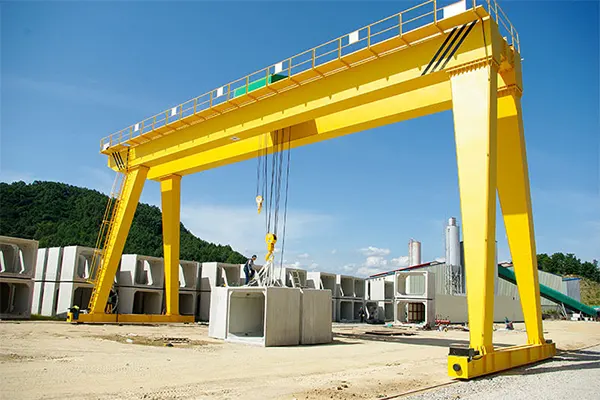
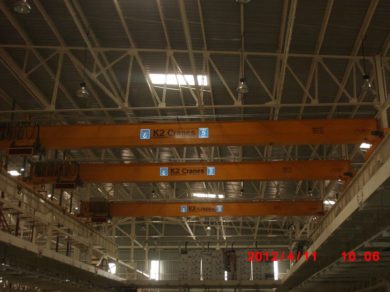
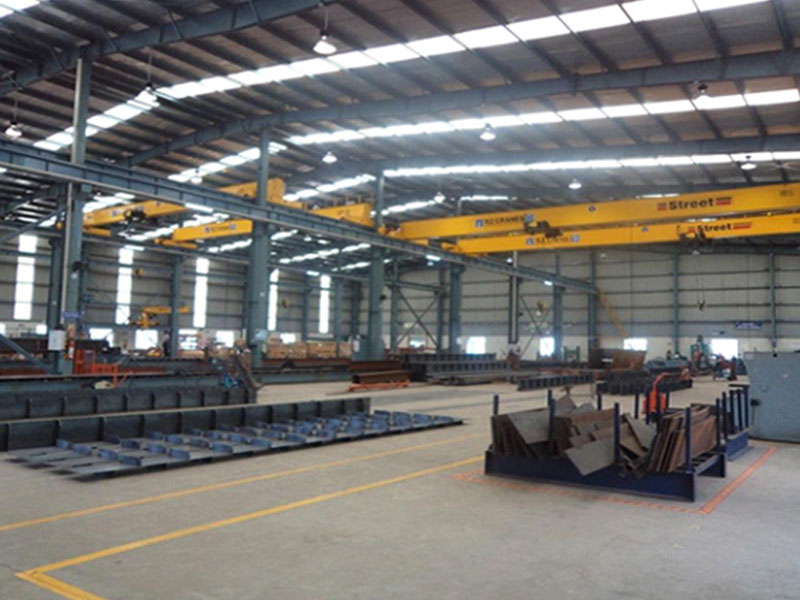
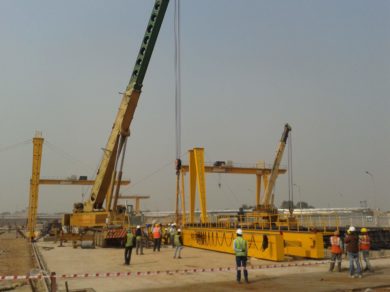
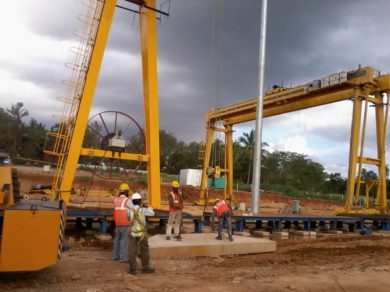
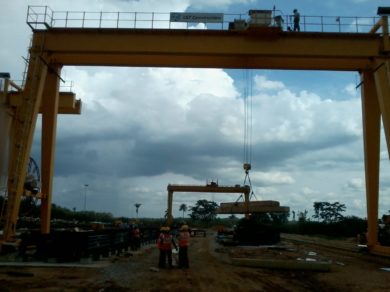
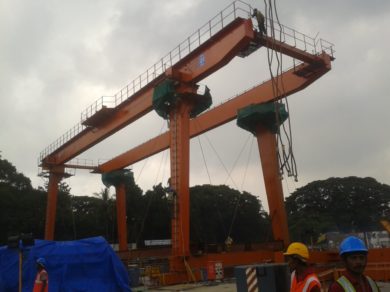
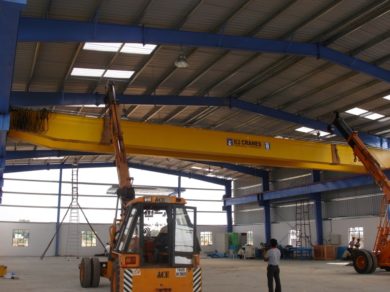
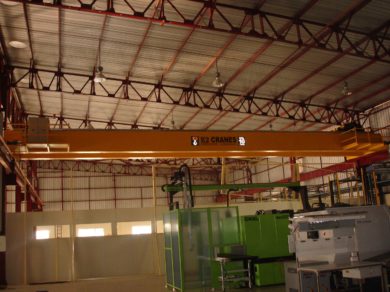
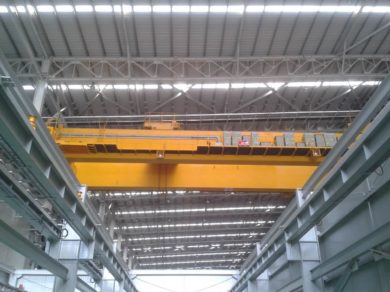
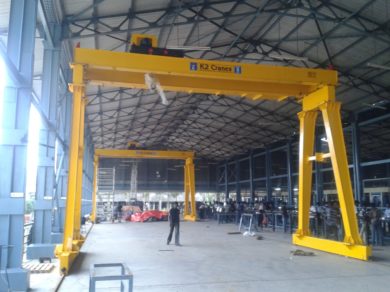
EOT cranes, with capacities ranging from 10 t to 300 t and spans exceeding 30 meters, form the backbone of these colossal undertakings — supporting everything from steel assembly to massive infrastructure lifts with unmatched strength and precision.
- Why EOT Cranes Are Ideal for Mega-Projects
- High Load Capacity & Long Span
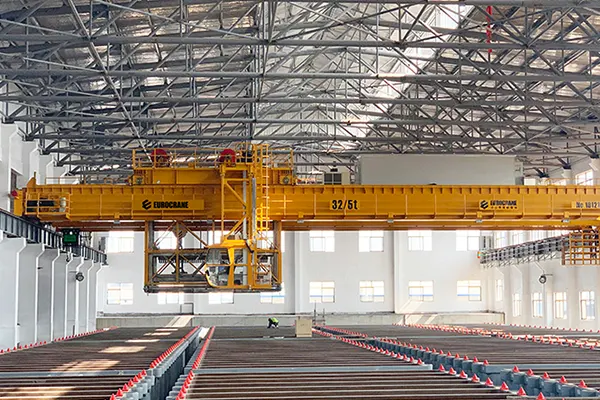
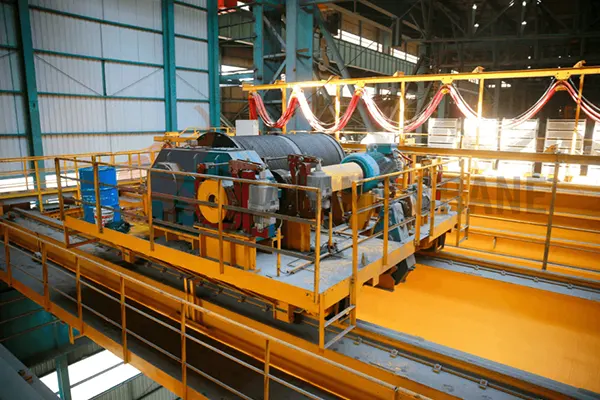
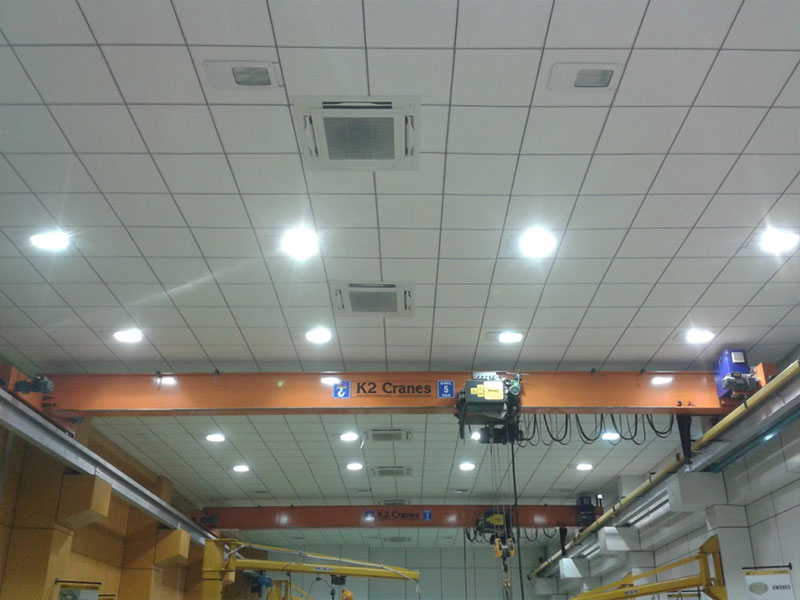
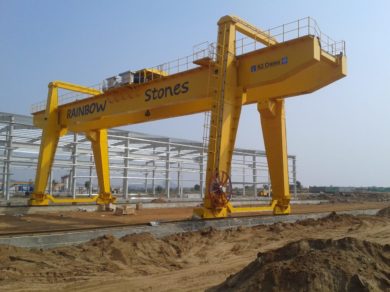
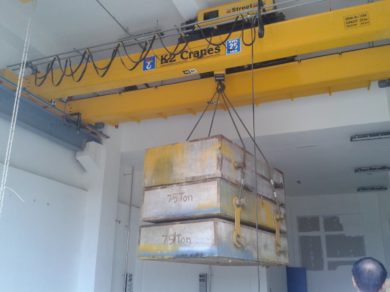
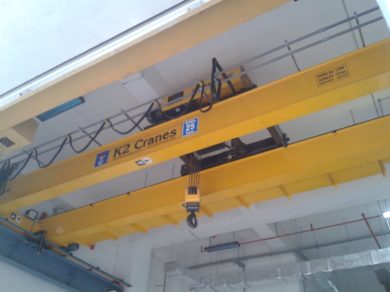
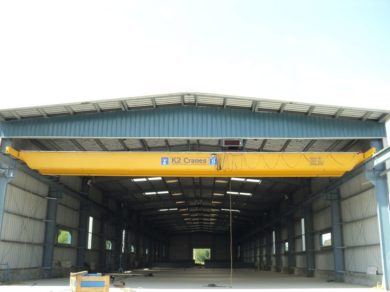
- Single- and double-girder configurations lift loads from a few tons to well over 50 t, covering wide bays without intermediate supports.
Precision Positioning
- Variable-frequency drives ensure smooth acceleration and deceleration — essential when placing pre-cast panels or steel trusses with exact alignment.
Advanced Safety Features
- Anti-collision sensors, overload limiters, and emergency brakes ensure compliance with GCC/ESMA regulations and safeguard both personnel and materials.
Modular & Scalable Design
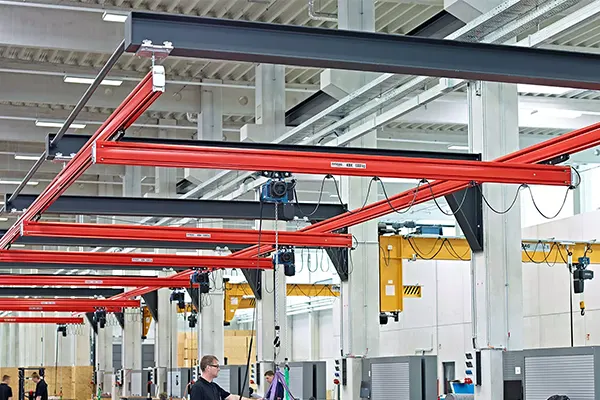
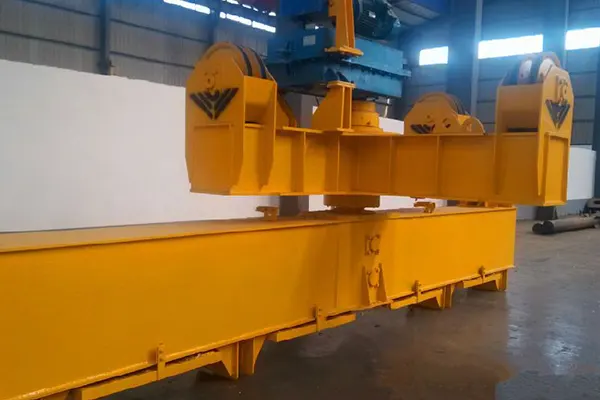
- Customizable end carriages, span extensions, and hoist speeds allow cranes to adapt to evolving site needs, minimizing downtime.
Enhancing Productivity & Reducing Project Timelines
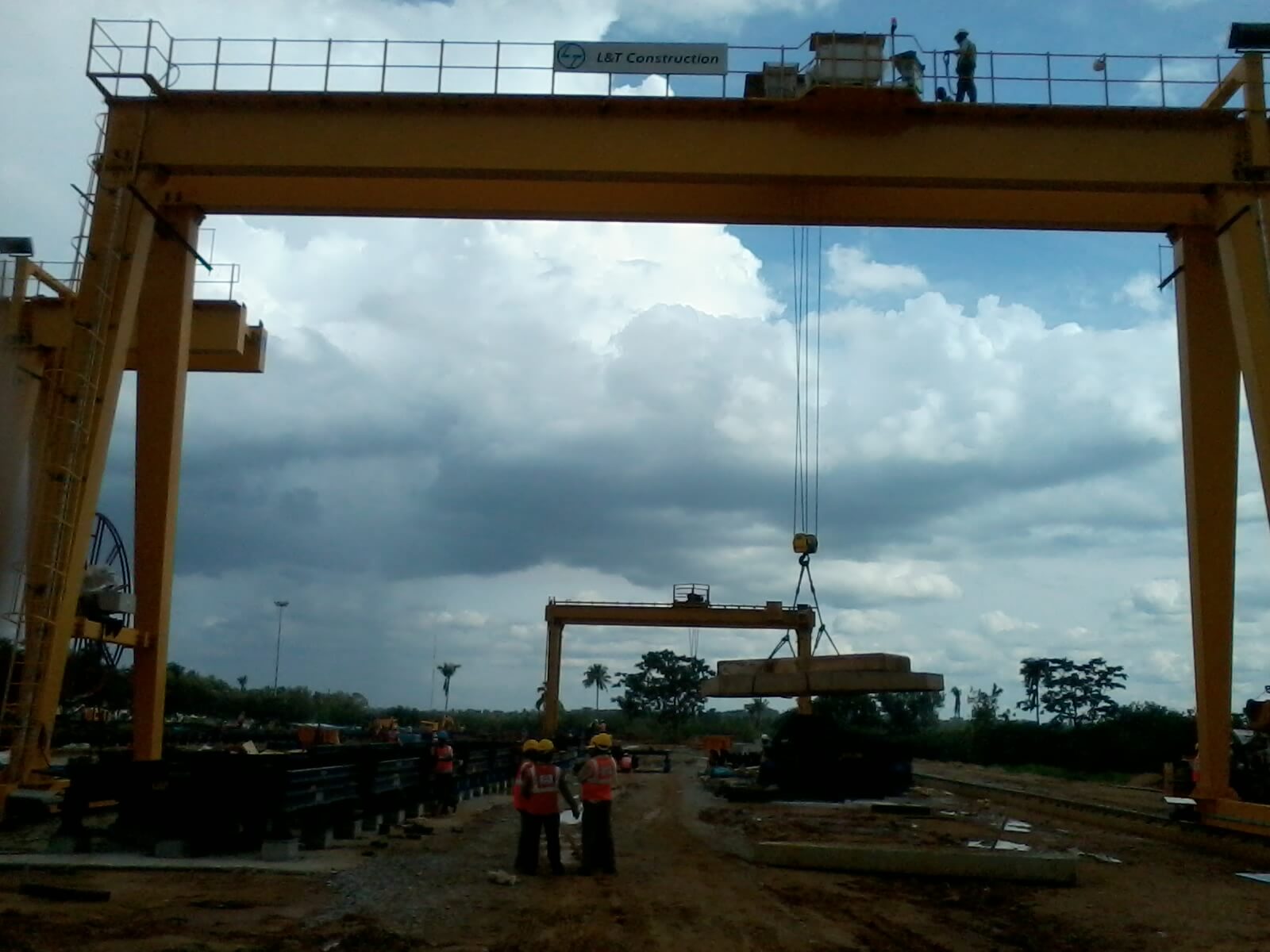
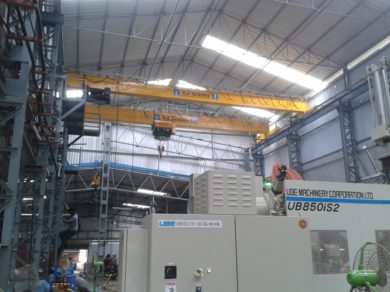
- Faster Material Flow: With multiple hoists and trolleys, EOT cranes enable simultaneous lifting operations — steel beams on one side, concrete molds on the other — increasing site throughput by up to 30%.
- Reduced Manual Handling: Automating heavy lifts reduces labor-intensive rigging and ergonomic risks, leading to fewer workplace incidents and insurance claims.
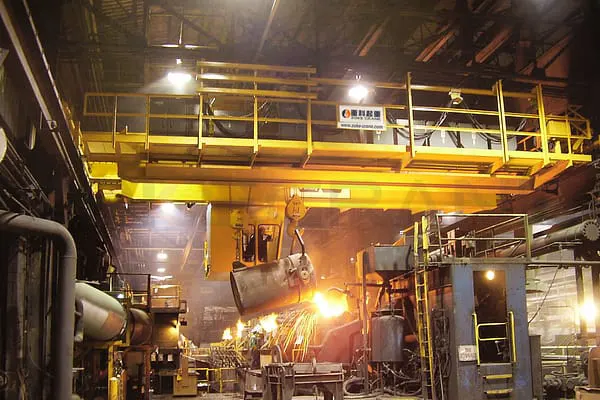
- 24/7 Operation: Industrial-grade motors and gearboxes rated for continuous duty withstand the UAE’s high ambient temperatures, ensuring reliable, round-the-clock performance.
Real-World Case Study: Dubai Metro Extensions
When the Dubai Roads & Transport Authority set out to add two new Red Line stations, they faced the challenge of installing 250-ton structural girders across a 25-meter span.
- Solution: Customized double-girder EOT cranes with tandem hoists, remote-control operation, and onboard load monitoring.
- Outcome: Crane teams achieved ±5 mm placement accuracy, completing girder installation 20% faster than traditional crawler cranes — without disrupting traffic below.
Best Practices for Specifying EOT Cranes in the UAE
- Site Assessment: Account for wind loads at height, overhead structure clearance, and environmental conditions like dust and heat.
- Compliance Check: Ensure CE marking, ESMA certification, and ATEX ratings when used in petrochemical or hazardous zones.
- Future-Proofing: Choose upgrade paths — such as IoT-enabled predictive maintenance — to extend crane lifespan beyond the initial project cycle.
- Service & Support: Establish local maintenance contracts and ensure spare-part availability to minimize downtime during peak construction phases.
Conclusion
From landmark infrastructure to industrial mega-sites, EOT cranes are quietly powering the UAE’s most ambitious construction projects. Their unmatched blend of capacity, safety, and smart engineering makes them a vital part of the nation’s rise — both literally and figuratively.