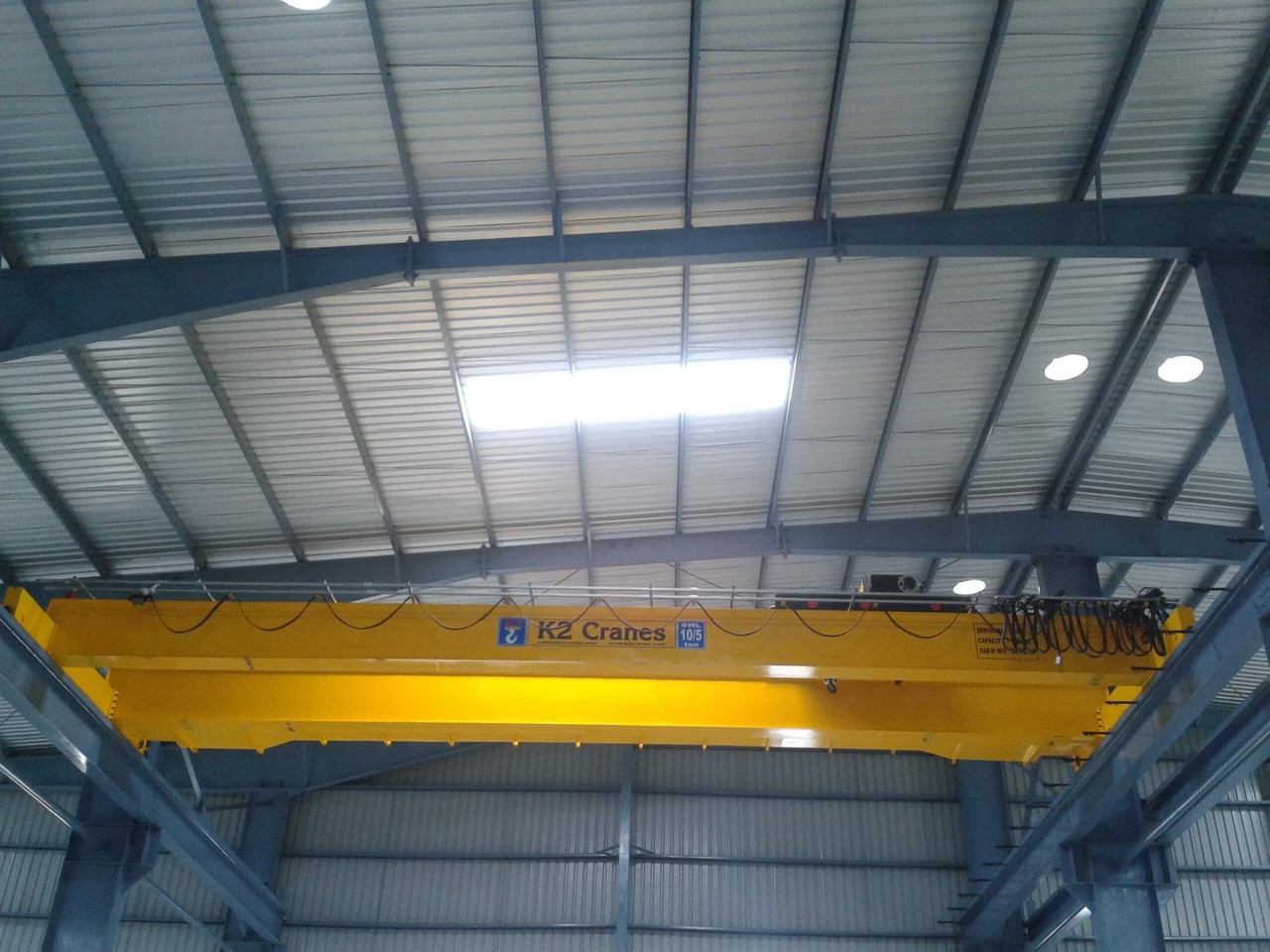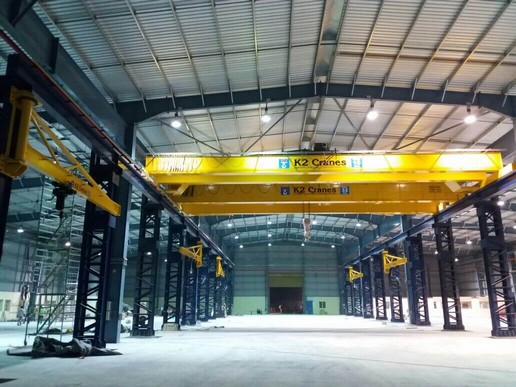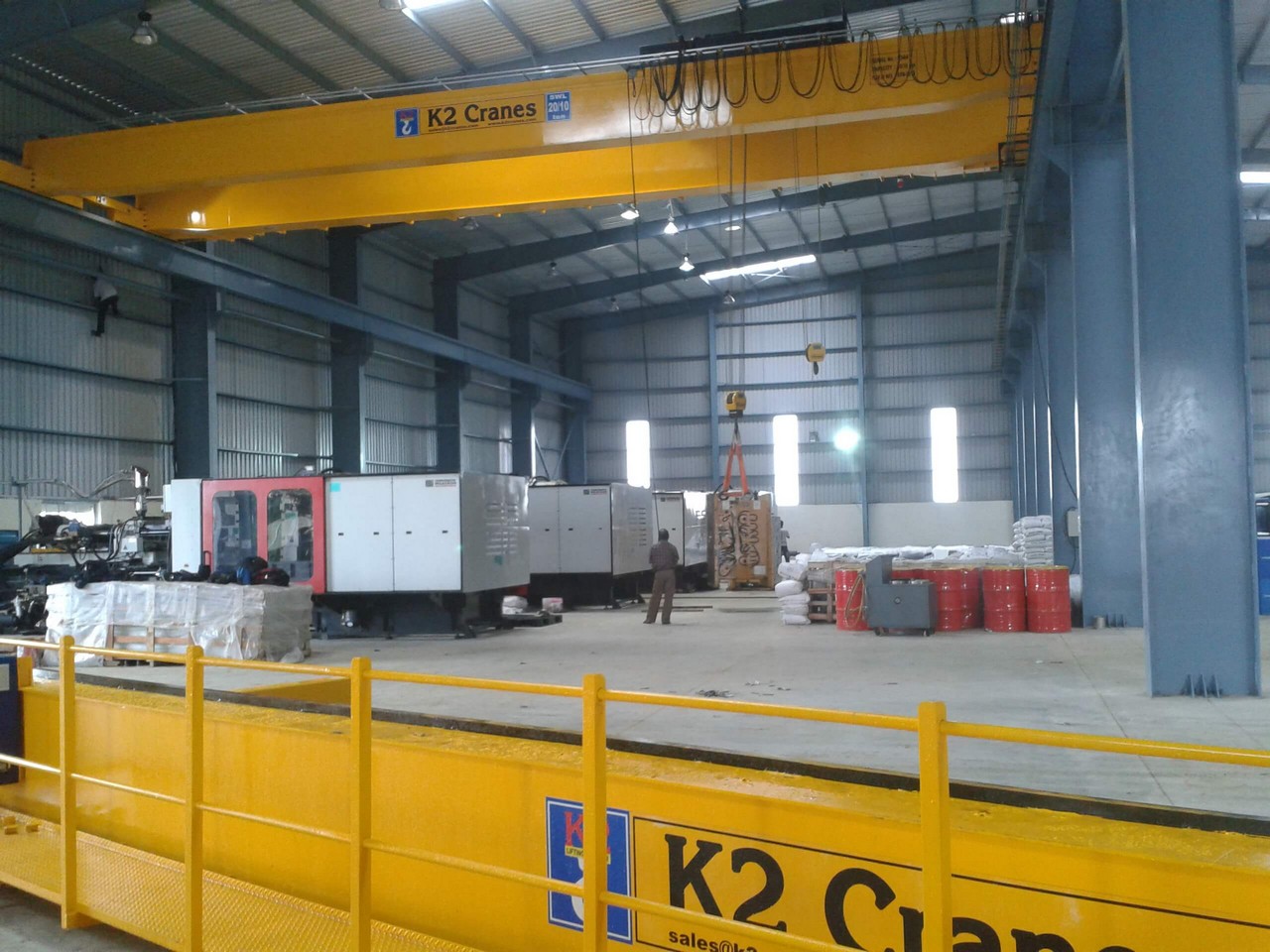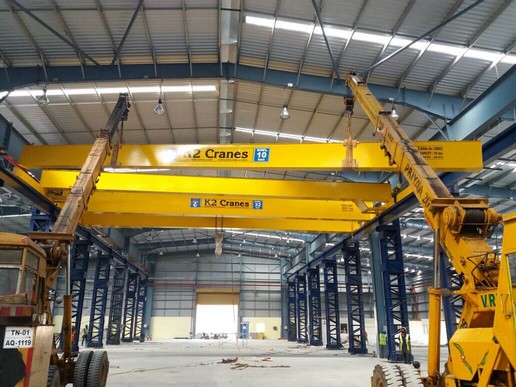






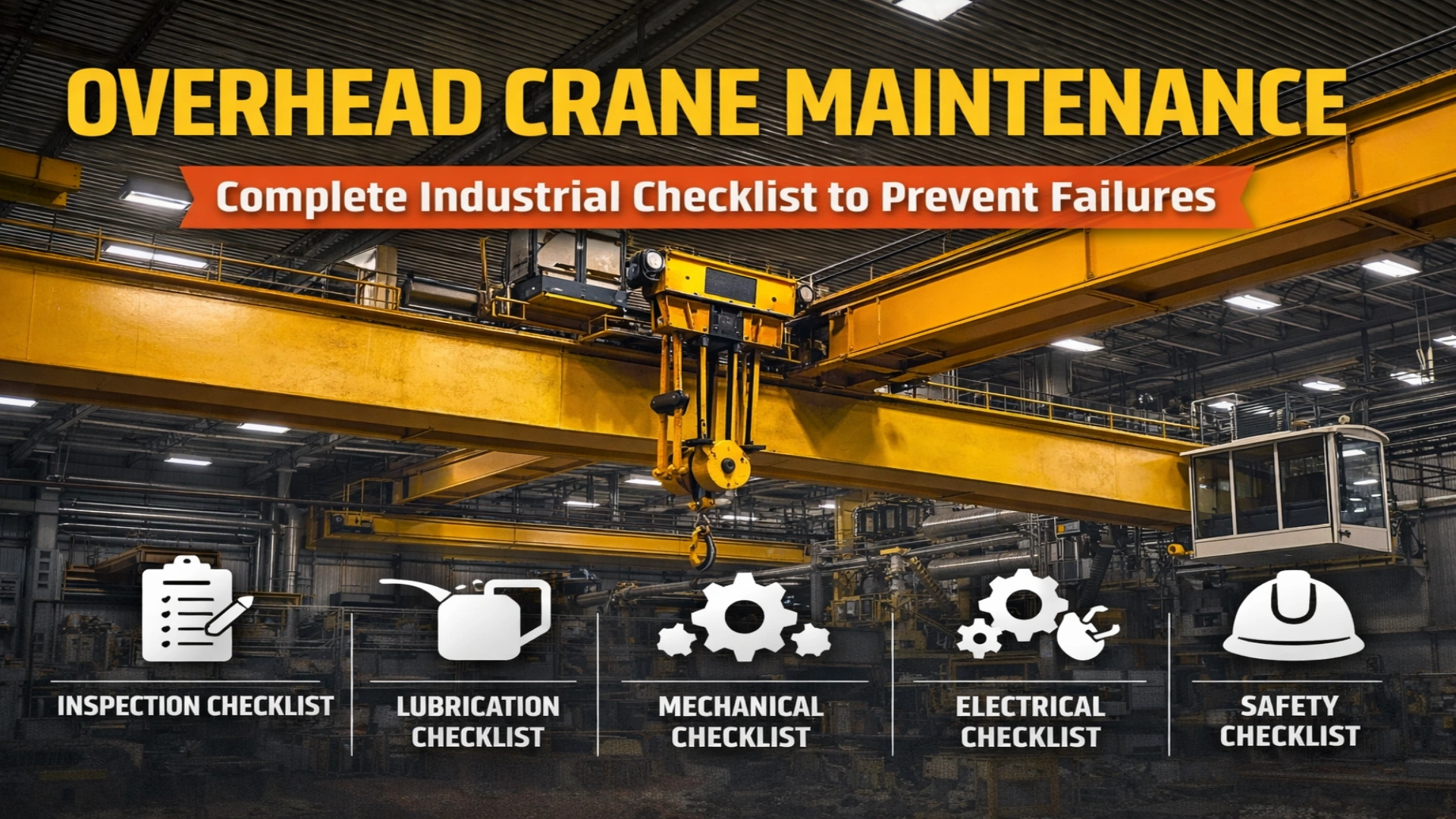
Overhead Crane Maintenance: Complete Industrial Checklist to Prevent Failures
Why Overhead Crane Maintenance Is Not Optional
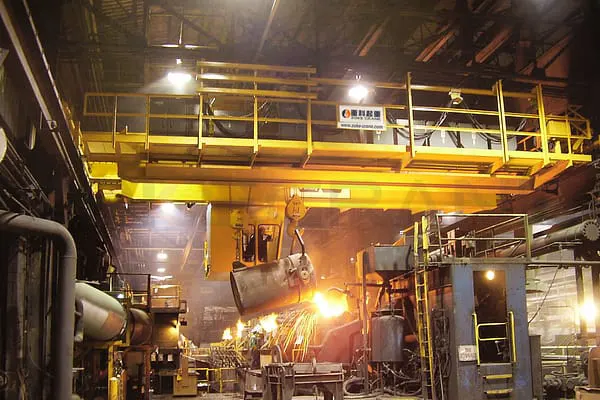
In industrial environments, overhead cranes operate under constant stress, heavy loads, and continuous cycles. Yet, many businesses still treat maintenance as a secondary priority.
This approach leads to predictable outcomes:
- Equipment failure
- Production downtime
- Safety risks
- Increased operational costs
Overhead crane maintenance is not just a routine task. It is a critical process that ensures reliability, safety, and long-term performance.
The Real Cost of Ignoring Crane Maintenance
Neglecting maintenance does not save money. It shifts costs to more expensive areas.
Immediate Consequences:
- Sudden breakdowns during operation
- Load handling failures
- Electrical system malfunctions
Long-Term Impact:
- Reduced equipment lifespan
- Higher repair and replacement costs
- Loss of production efficiency
In high-capacity industries, even a few hours of downtime can result in significant financial loss.
Core Components of Overhead Crane Maintenance
Effective maintenance requires a structured, system-level approach.
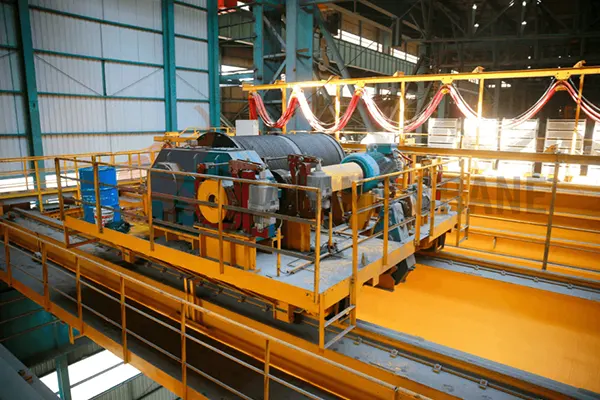
Mechanical Components
- Gearboxes and couplings
- Braking systems
- Bearings and shafts
- Load wheels and rails
Wear and misalignment in these components directly affect crane performance.
Electrical Systems
- Control panels
- Limit switches
- Wiring and connections
- Variable Frequency Drives (VFDs)
Electrical failures are among the most common causes of crane downtime.
Hoisting Mechanism
- Wire rope condition
- Drum alignment
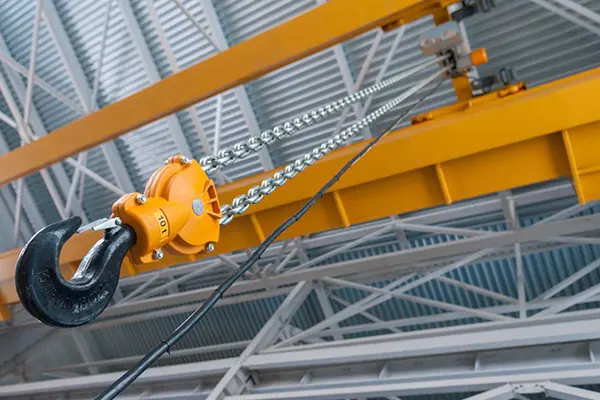
- Hook integrity
- Load testing capability
Any compromise in the hoisting system creates serious safety risks.
Structural Integrity
- Girder alignment
- Weld joint condition
- Corrosion and fatigue
- Support structure stability
Structural issues are often overlooked until they become critical failures.
Overhead Crane Maintenance Checklist (Industry Standard)
A professional maintenance routine follows a detailed checklist.
Daily Inspection
- Visual check for damage or wear
- Unusual noise or vibration
- Proper functioning of controls
Weekly Inspection
- Lubrication of moving parts
- Brake performance testing
- Inspection of wire ropes
Monthly Inspection
- Electrical system diagnostics
- Alignment checks
- Load testing
Annual Inspection
- Full structural assessment
- Detailed component replacement if needed
- Compliance and safety certification
This structured approach ensures no critical component is overlooked.
Preventive vs Predictive Maintenance
Preventive Maintenance
Scheduled servicing at regular intervals.
Advantages:
- Reduces unexpected failures
- Maintains consistent performance
Predictive Maintenance
Uses data and monitoring systems to anticipate failures.
Advantages:
- Minimizes downtime
- Optimizes maintenance schedules
- Reduces unnecessary servicing
Modern industries are increasingly shifting toward predictive maintenance for better efficiency.
Common Overhead Crane Failures and Their Causes
Understanding failure points helps prevent them.
1. Brake Failure
Cause:
- Wear and lack of adjustment
Impact:
- Unsafe load handling
2. Wire Rope Damage
Cause:
- Overloading or poor lubrication
Impact:
- Sudden lifting failure
3. Electrical Malfunctions
Cause:
- Faulty wiring or control panel issues
Impact:
- Operational shutdown
4. Misalignment
Cause:
- Improper installation or wear
Impact:
- Uneven load distribution and damage
Choosing the Right Crane Maintenance Service Provider
Maintenance quality directly depends on the service provider.
Key Evaluation Factors:
Technical Capability
The provider should have expertise in:
- Overhead cranes
- Hoists
- Industrial control systems
Service Coverage
Ensure they offer:
- Inspection
- Repair
- AMC services
- Emergency support
Response Time
Delays in service can increase downtime and losses.
Availability of Spare Parts
Quick access to parts reduces repair time.
Role of AMC in Overhead Crane Maintenance
Annual Maintenance Contracts (AMC) provide structured and consistent servicing.
Benefits:
- Scheduled inspections
- Reduced downtime
- Cost predictability
- Priority service
AMC ensures that maintenance is proactive rather than reactive.
Compliance and Safety Standards
Industrial cranes must meet safety and regulatory standards.
Maintenance ensures:
- Load capacity compliance
- Safe operation conditions
- Reduced risk of accidents
Failure to comply can lead to penalties and operational restrictions.
Future of Overhead Crane Maintenance
The industry is evolving with advanced technologies.
Emerging Trends:
- IoT-based crane monitoring
- Real-time performance tracking
- Automated diagnostics
- AI-driven predictive maintenance
Businesses adopting these technologies gain better control over operations.
Conclusion
Overhead crane maintenance is a critical investment that directly impacts safety, efficiency, and operational costs.
A structured maintenance approach ensures:
- Reduced downtime
- Extended equipment lifespan
- Improved workplace safety
Ignoring maintenance is not a cost-saving strategy. It is a risk.