





How Smart Factories Are Transforming Crane Technology: The Future of Industrial Lifting (2025 Insights)
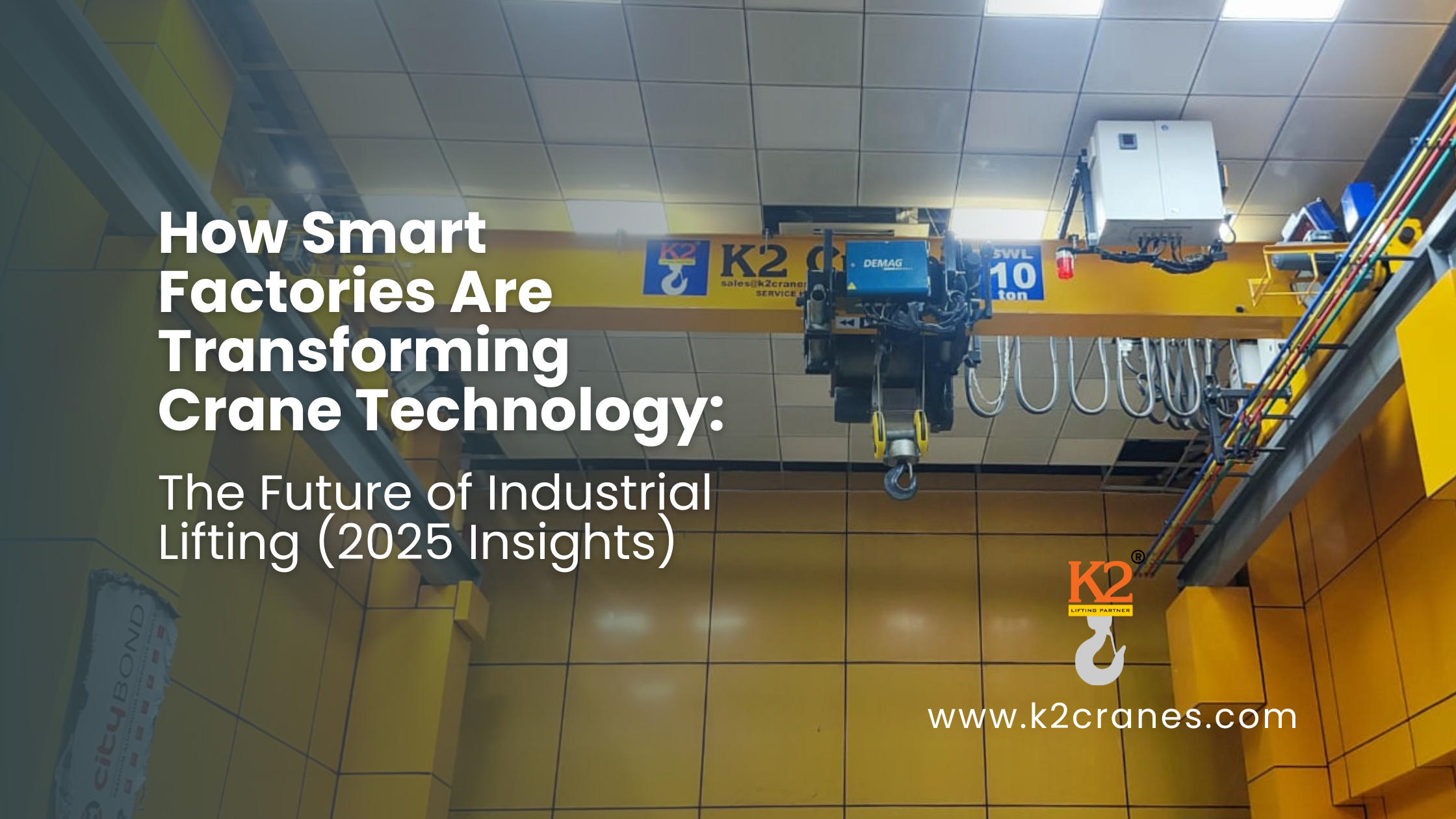
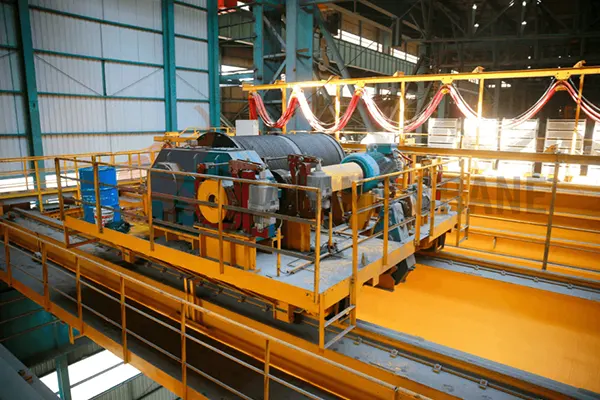
As industries move toward automation and digital transformation, one area experiencing rapid evolution — yet often overlooked — is crane technology. Today, cranes are no longer just heavy machines used for lifting. They are becoming intelligent, connected, and adaptive systems built for the age of smart factories, Industry 4.0, and global manufacturing competitiveness.
In this blog, we explore how modern cranes are reshaping industrial operations and why companies are choosing advanced, digitally enabled EOT cranes to stay ahead in 2025 and beyond.
From Manual Lifting to Intelligent Movement
Traditional cranes operated through manual control and experience-based judgment. But with the rise of automation, cranes are now evolving into precision-driven, sensor-enabled machines.
Smart factories require lifting systems that can:
- Position loads with millimetre-level accuracy
- Adjust motion based on real-time data
- Record every lift for audit and safety compliance
- Integrate with factory management software
Crane manufacturers are responding by building systems that “think ahead,” supporting predictive controls and automated material flow.
IoT: Turning Cranes into Connected Machines
One of the biggest shifts in crane design is the integration of IoT (Internet of Things).
Today’s connected cranes can:
- Continuously monitor motor temperature, vibration, and rope wear
- Send maintenance alerts before failure occurs
- Track operator behavior and lift patterns
- Provide cloud-based dashboards for performance tracking
This connectivity reduces downtime and increases safety — two major priorities for factories in India, UAE, and global markets.
Safety Reinvented: The New Gold Standard
With stricter global safety norms, cranes now come with advanced protection systems such as:
- Anti-sway and anti-collision algorithms
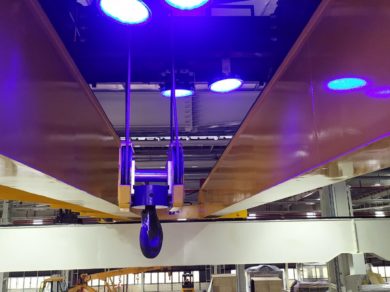
- Auto-hook centering
- Overload monitoring and zone protection
- Fail-safe emergency braking
Factories no longer see safety as compliance — it’s a competitive advantage. A safer environment reduces downtime, insurance claims, and operational disruption.
Customization: One Size No Longer Fits All
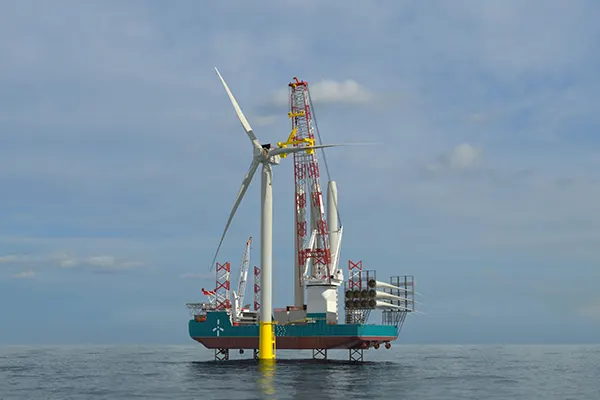
Modern factories are diverse — from wind turbine assembly to automotive precision machining. Each industry requires different lifting behaviour.
This has increased demand for highly customized cranes, including:
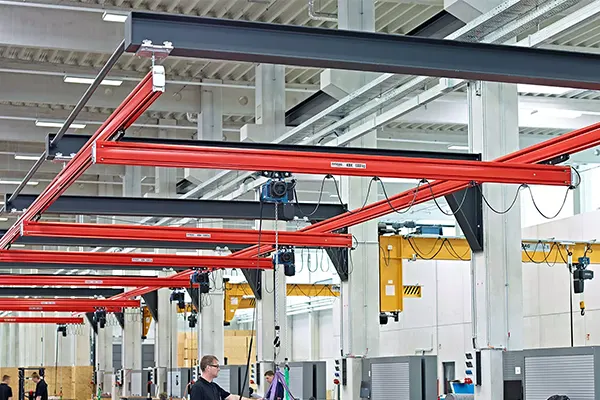
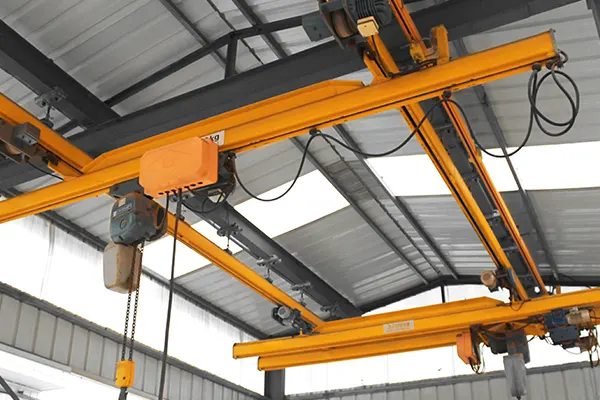
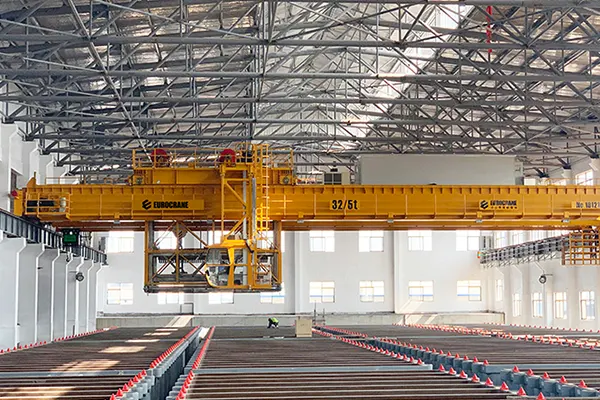
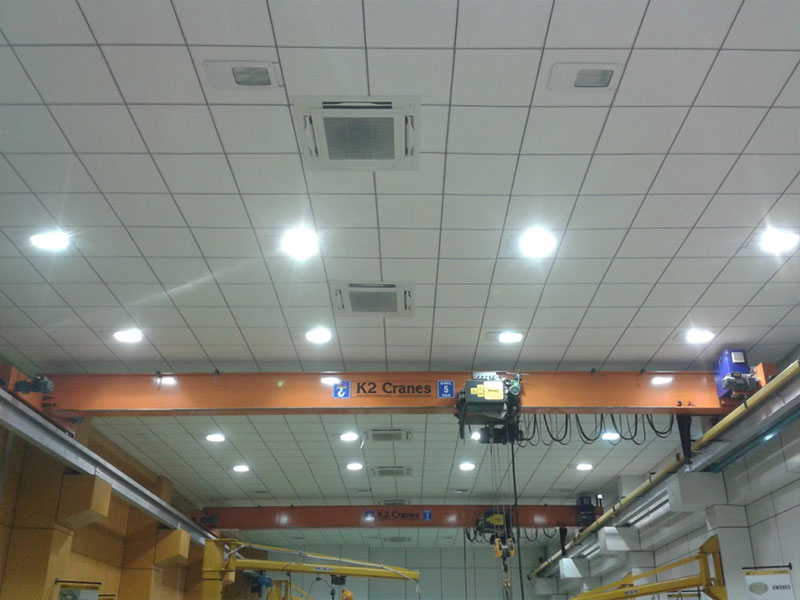
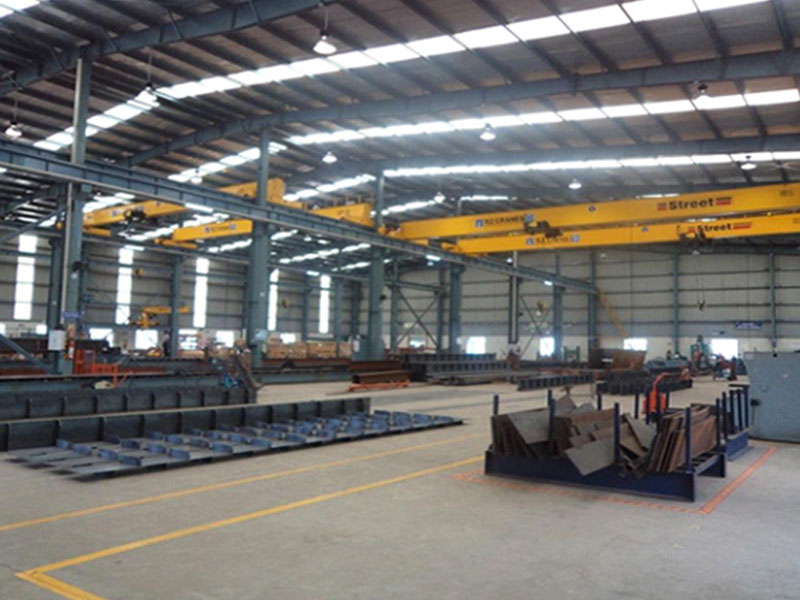
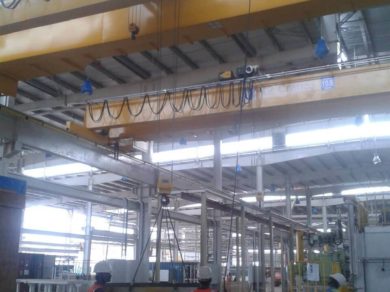
- Low-headroom cranes for compact spaces
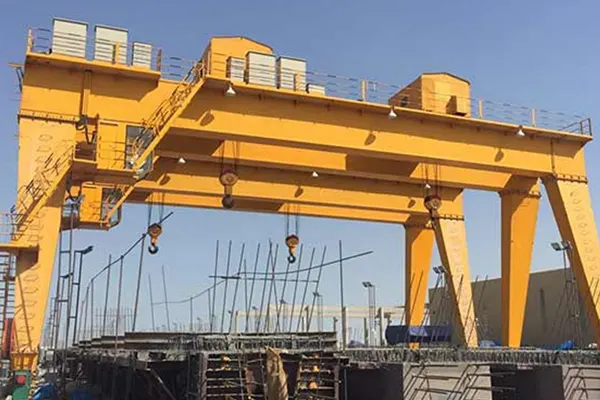
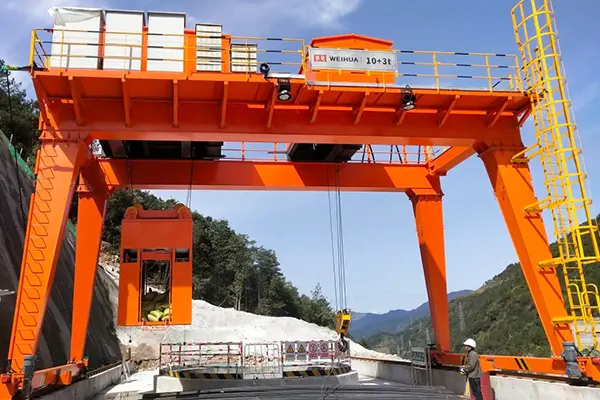
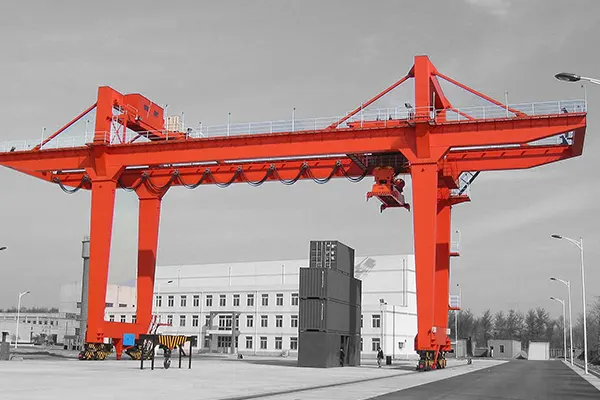
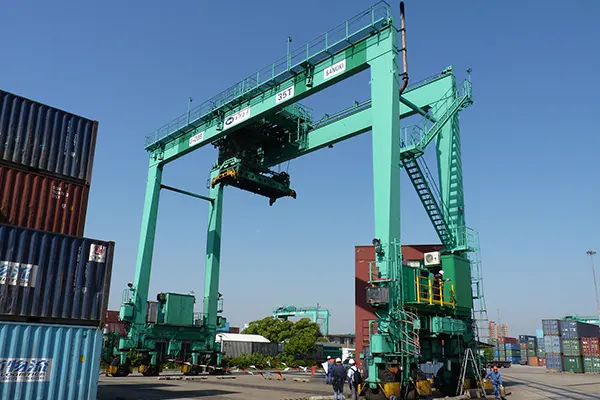
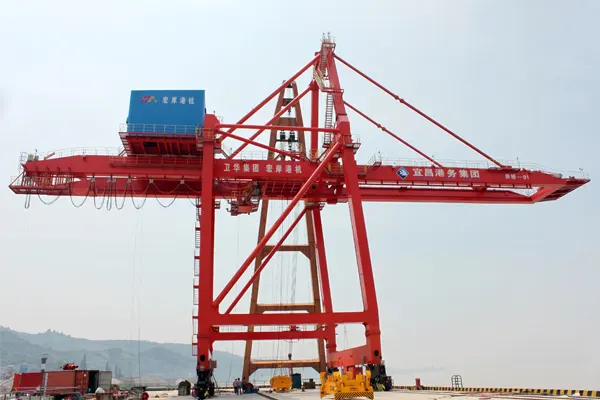
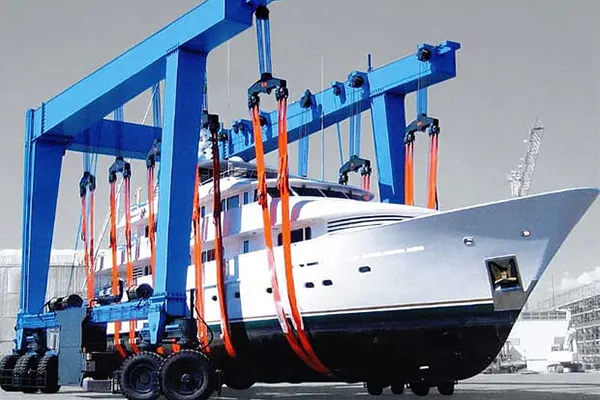
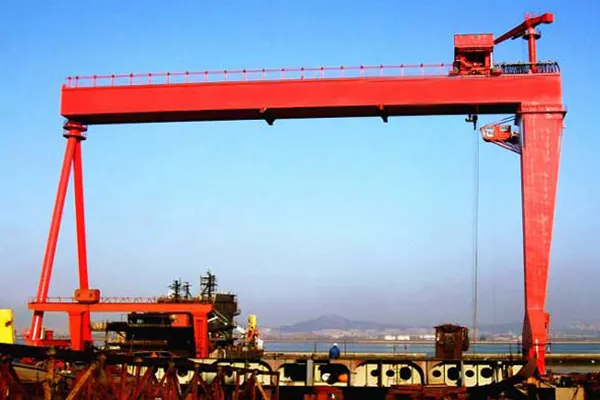
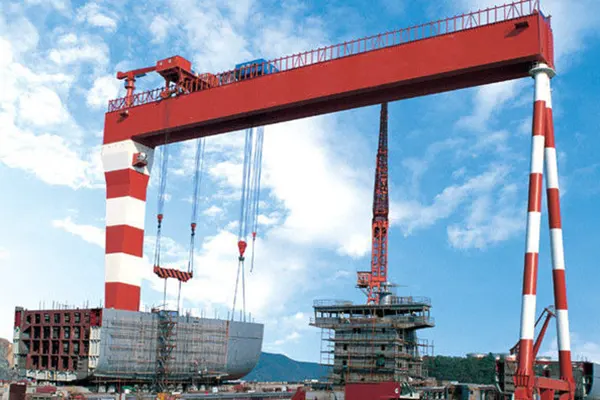
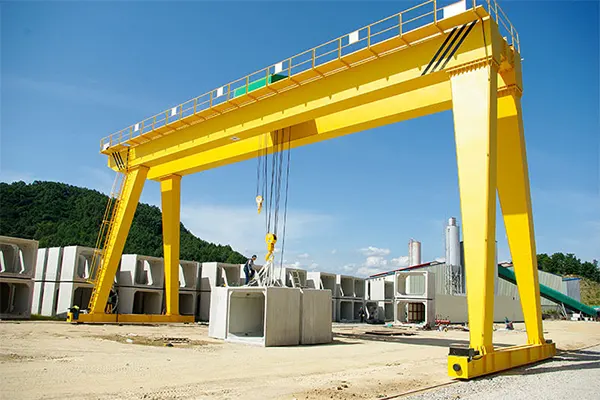
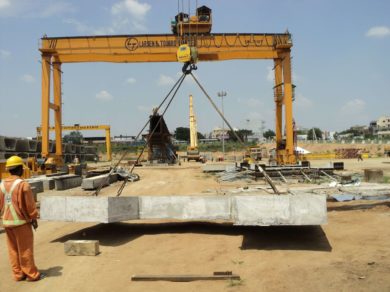
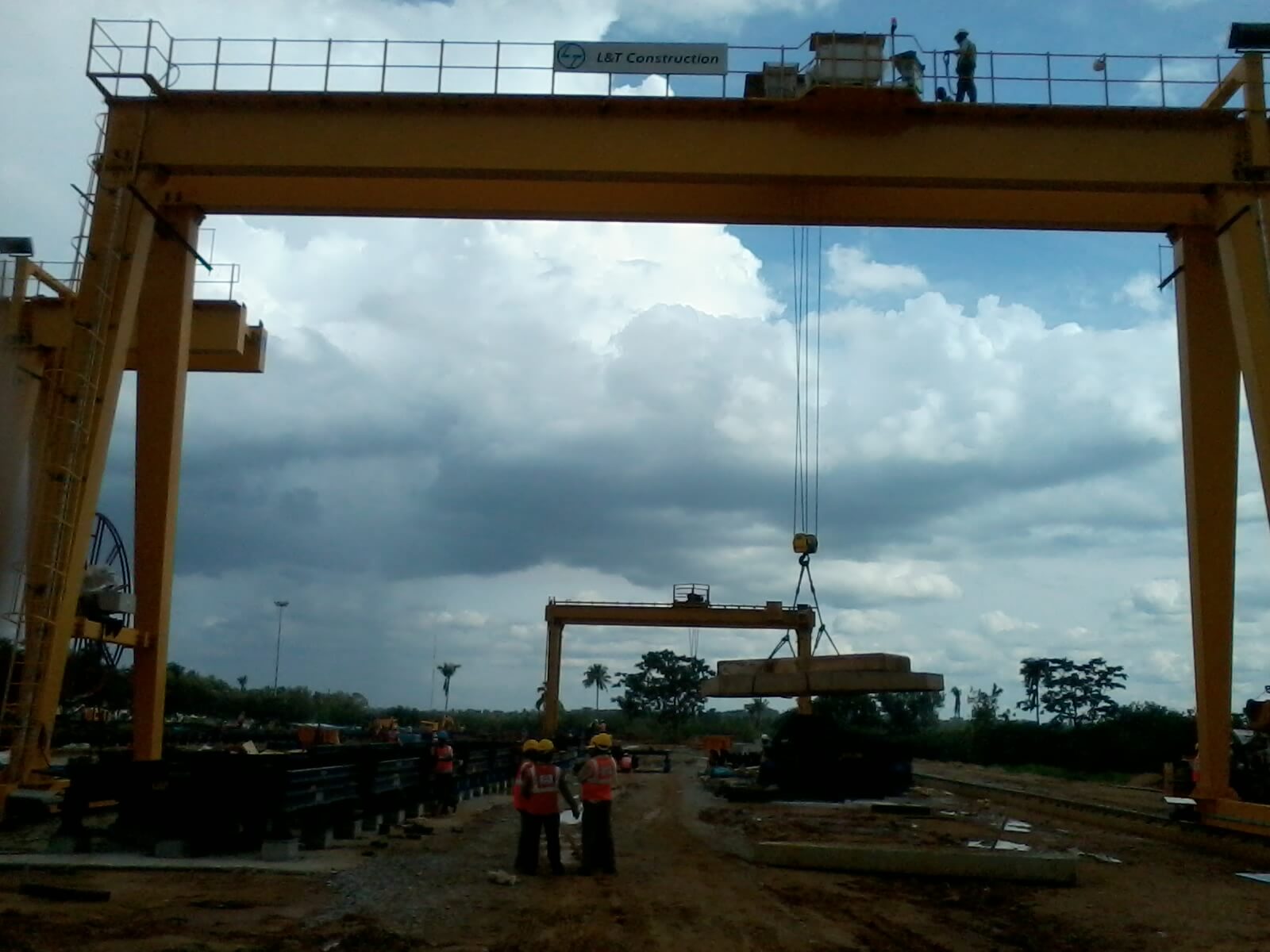
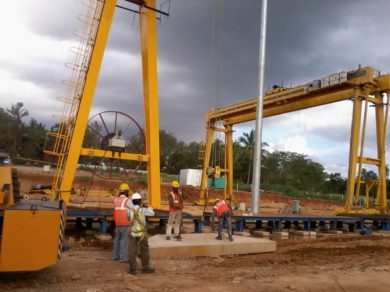
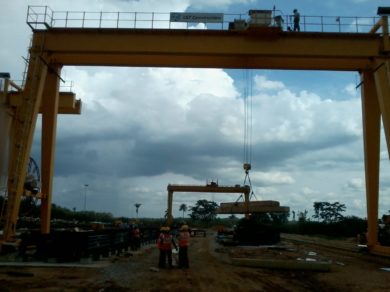
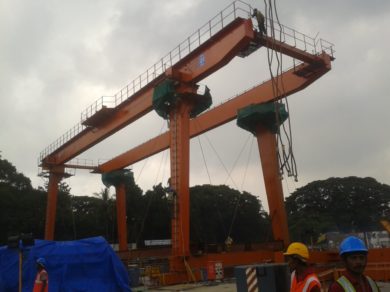
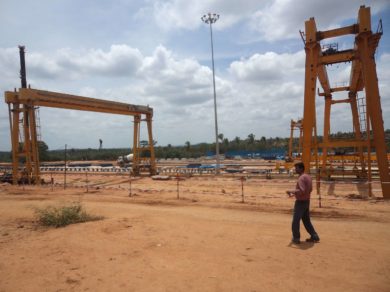
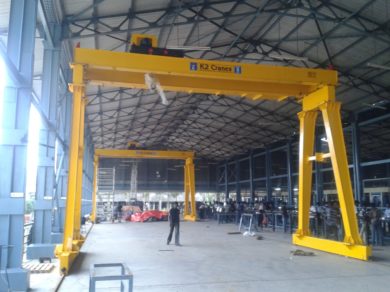
- Extra-wide span gantry cranes for outdoor yards
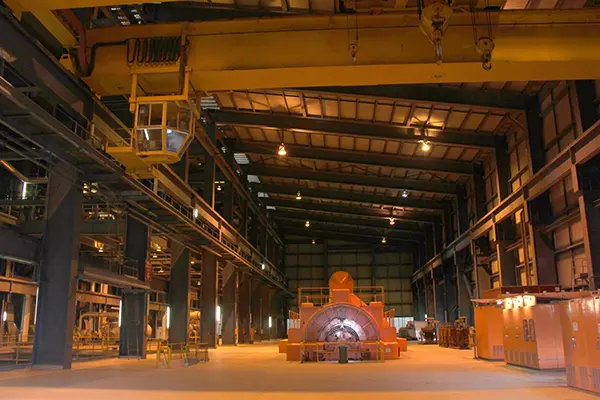
- Maintenance cranes for turbine houses
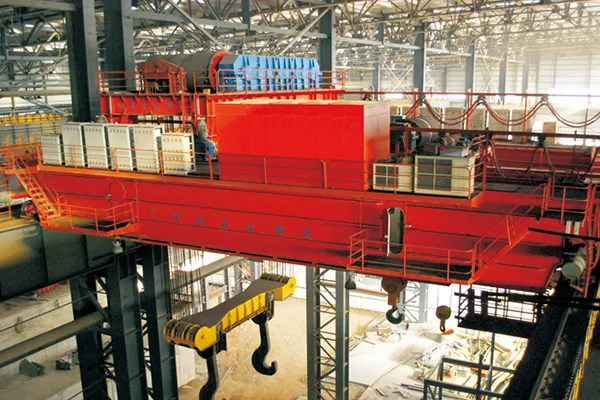
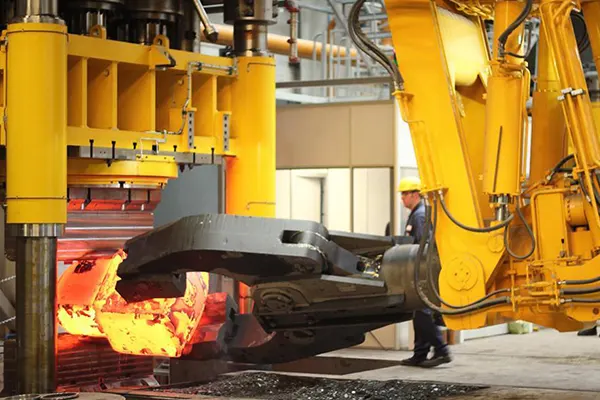
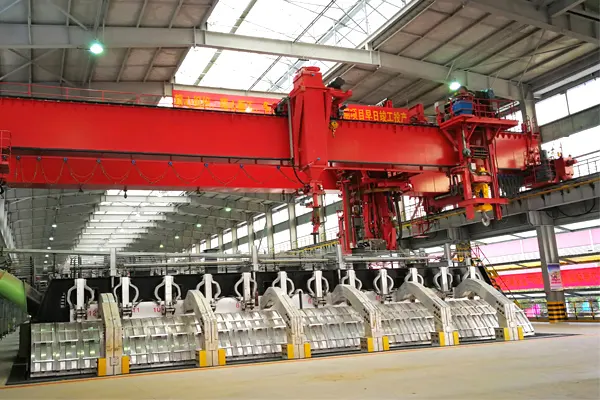
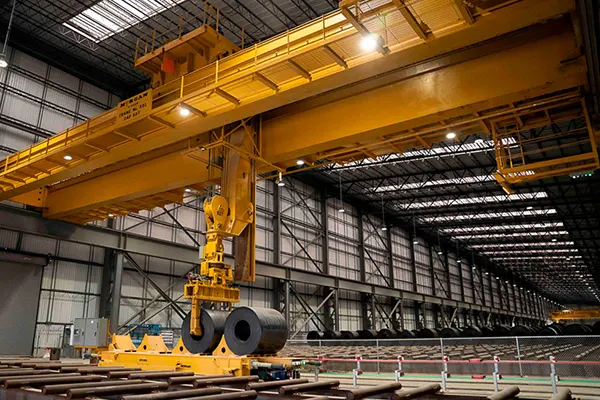
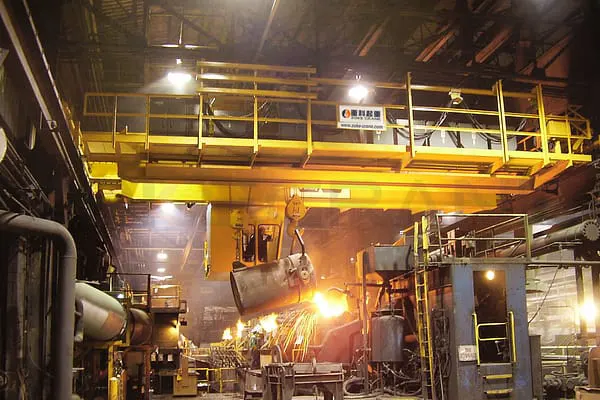
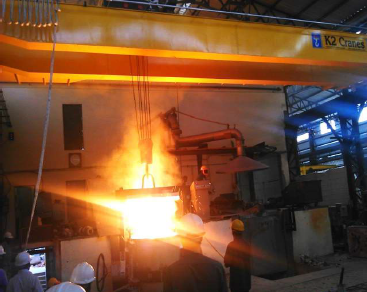
- Ultra-heavy-duty cranes for forging and steel plants
Customization ensures cranes fit your workflow — not the other way around.
Energy Efficiency: The Silent Revolution
Environmental regulations and rising power costs have pushed companies to choose cranes that are energy efficient.
New-generation lifting solutions now feature:
- Regenerative drives
- Smart inverter technology
- Low-friction components
- Energy-optimized motion profiles
These improvements reduce electricity consumption and lower total cost of ownership — a major factor for large-scale industries.
The Rise of Digital Service Ecosystems
Service and maintenance are no longer reactive. Modern crane companies now offer:
- Remote diagnostics
- Predictive maintenance
- QR-based service logs
- Digital spare parts platforms
Digital service ecosystems ensure cranes achieve longer life, better uptime, and faster support. This reduces dependency on manual inspection and speeds up repair cycles.
Why Smart Cranes Are Becoming a Global Standard
Companies in Africa, GCC, India, Europe, and Southeast Asia are shifting toward smarter lifting systems because they provide:
- Higher productivity
- Reduced operational risk
- Lower maintenance costs
- Better integration into automated factories
Modern cranes are no longer just assets — they are strategic enablers of industrial growth.
Conclusion: Lifting Enters the Digital Age
Cranes are transforming from heavy mechanical systems into digital, intelligent solutions that power modern manufacturing. Whether in renewable energy, automotive, steel, warehousing, or heavy engineering, smart crane technology is setting new benchmarks in productivity, safety, and efficiency.
Industries that embrace these advancements today will lead the industrial revolution of tomorrow.