





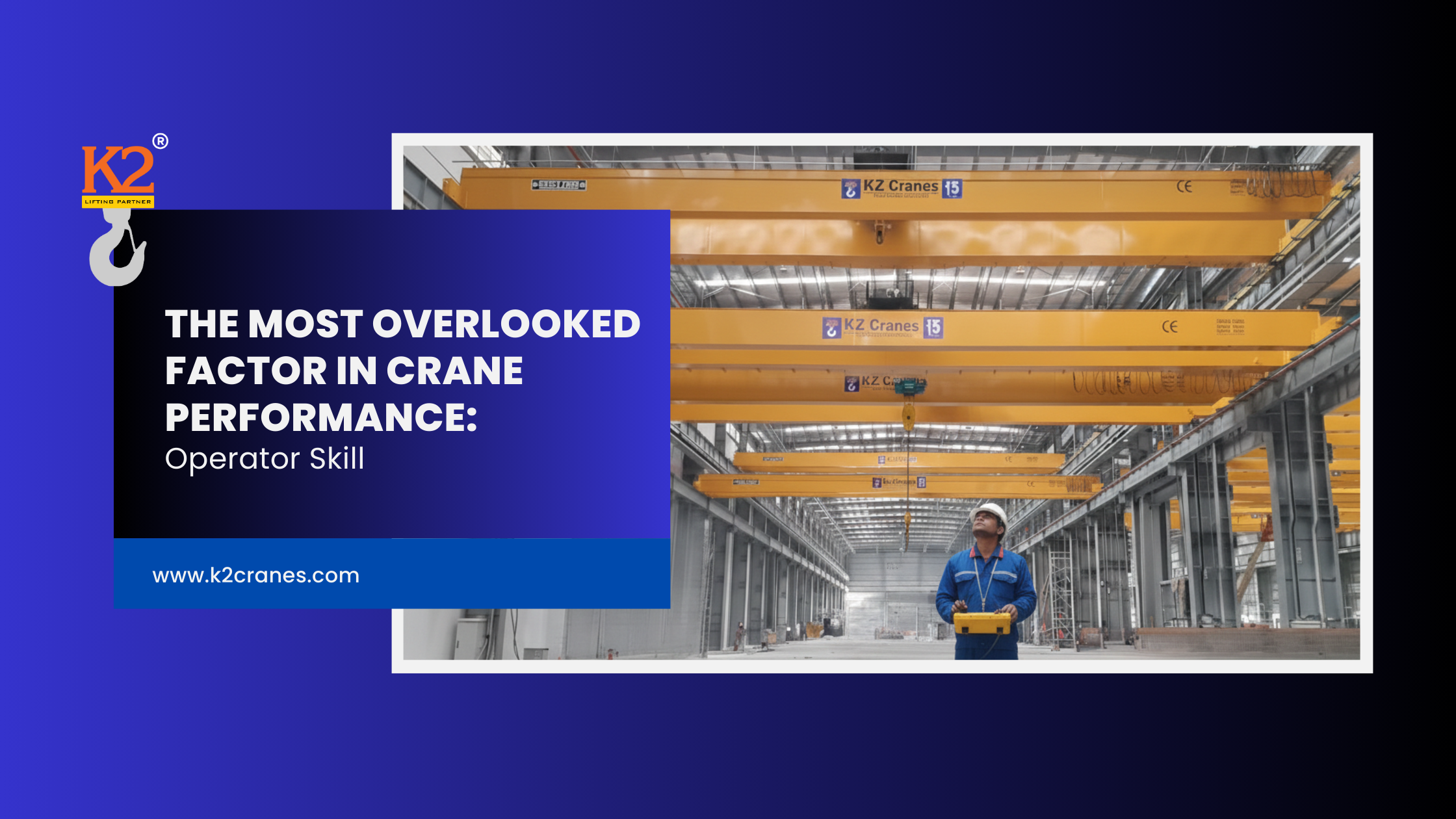
The Most Overlooked Factor in Crane Performance: Operator Skill
Introduction
Cranes are often blamed when something goes wrong. Excess wear. Frequent breakdowns. Unsafe movements.
But here’s the uncomfortable truth: many crane issues are not mechanical failures. They are operational ones.
Even the best-engineered crane will underperform if it is handled incorrectly.
Machines Don’t Misuse Themselves
A crane is designed with load limits, duty cycles, and safety margins. When operators ignore or misunderstand these, problems begin quietly and then expensively.
Common operator-related issues include:
-
Sudden starts and stops causing shock loads
-
Overloading without realizing it
-
Incorrect slinging practices
-
Ignoring warning signs and abnormal sounds
None of these are design flaws. They are skill gaps.
Skill Directly Impacts Crane Life
Two identical cranes, installed in similar environments, can age very differently. The difference is often the operator.
A trained operator:
-
Reduces mechanical stress
-
Handles loads smoothly
-
Identifies early warning signs
-
Prevents avoidable wear on motors, brakes, and gearboxes
This directly translates into longer service life and fewer breakdowns.
Safety Depends on Human Judgment
Modern cranes are equipped with safety devices, but safety systems are not substitutes for awareness.
Operators make real-time decisions every day:
-
When to lift
-
How fast to move
-
How to respond to instability
-
When to stop operations
Proper training ensures these decisions are made with confidence rather than guesswork.
Training Is an Investment, Not a Cost
Many industries invest heavily in equipment but hesitate to invest in operator development. This imbalance often results in:
-
Higher maintenance costs
-
Increased downtime
-
Safety incidents
-
Reduced productivity
Structured operator training improves not just safety but overall plant efficiency.
Building Capability Alongside Equipment
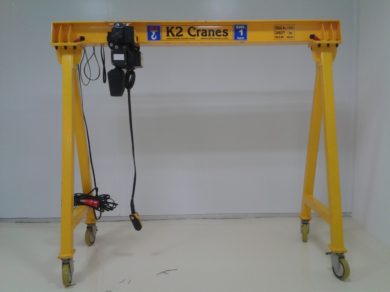
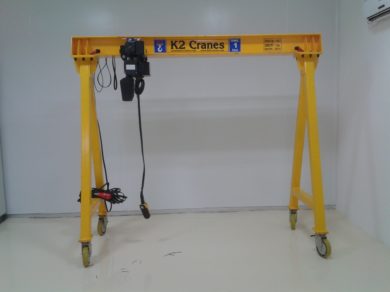
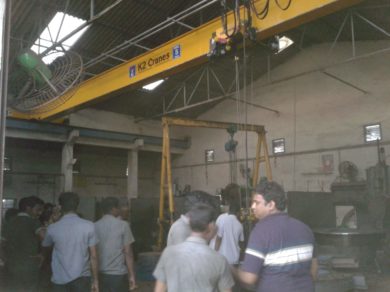
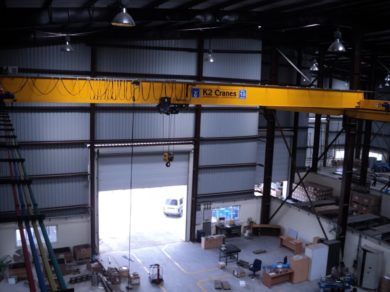
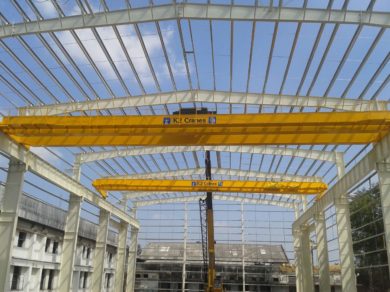
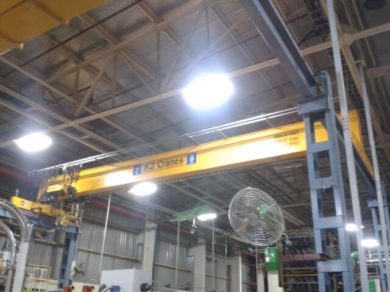
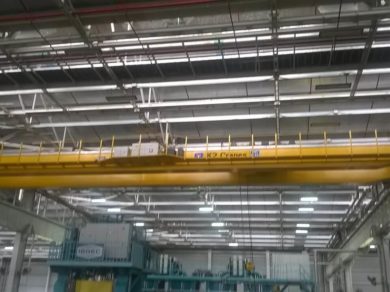
At K2 Cranes & Components Pvt. Ltd., lifting solutions extend beyond manufacturing. Emphasis is placed on helping customers understand correct crane usage, best practices, and operational discipline.
Because a crane performs best when engineering and human skill work together.
Conclusion
Cranes do the lifting, but operators control the outcome.
When operator skill is treated as a critical asset, cranes run smoother, last longer, and operate safer. Ignoring this factor means leaving performance, safety, and money on the table.
In industrial lifting, how you lift matters just as much as what you lift with.