





Why Crane Lifecycle Cost Matters More Than the Purchase Price
Introduction
When industries invest in a crane, the first question is usually about price. That’s understandable. It’s also incomplete.
The real cost of a crane is not what you pay on day one. It’s what you continue to pay over 10 to 20 years of operation. This is where lifecycle cost quietly becomes the most important factor in any lifting investment.
Purchase Cost vs Ownership Cost
A crane’s lifecycle cost includes far more than manufacturing and installation. It covers:
- Maintenance and servicing
- Spare parts availability
- Downtime due to failures
- Energy consumption
- Modernization and upgrades
- Operator training and safety incidents
A lower upfront price often hides higher long-term expenses. Reliable cranes focus on total cost of ownership, not short-term savings.
The Hidden Cost of Downtime
Every unexpected crane stoppage affects production schedules, manpower utilization, and delivery commitments. In many industries, even a few hours of downtime can translate into significant financial loss.
Well-engineered cranes minimize this risk through:
- Robust mechanical design
- Proven components
- Easy access for inspection and servicing
Predictability in performance is what keeps factories running smoothly.
Spare Parts Availability Is Not Optional
One of the most overlooked factors in crane selection is spare parts access. A crane is only as reliable as the speed at which it can be restored after wear or failure.
Delays caused by:
- Imported-only spares
- Discontinued components
- Long procurement cycles
can turn a minor issue into a major shutdown. This is why standardized, readily available spares play a crucial role in lifecycle cost control.
Maintenance Determines Longevity
Cranes are long-term assets. With proper maintenance, they can operate efficiently well beyond their expected lifespan.
A structured maintenance approach includes:
- Periodic inspections
- Load testing and certification
- Preventive replacement of wear parts
- Operator awareness and training
This not only improves safety but also protects the original investment.
Designing for Long-Term Value
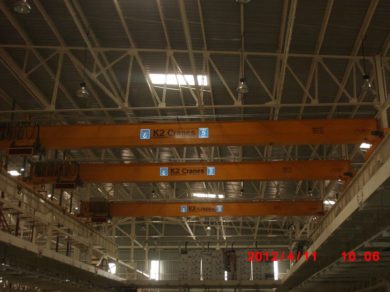
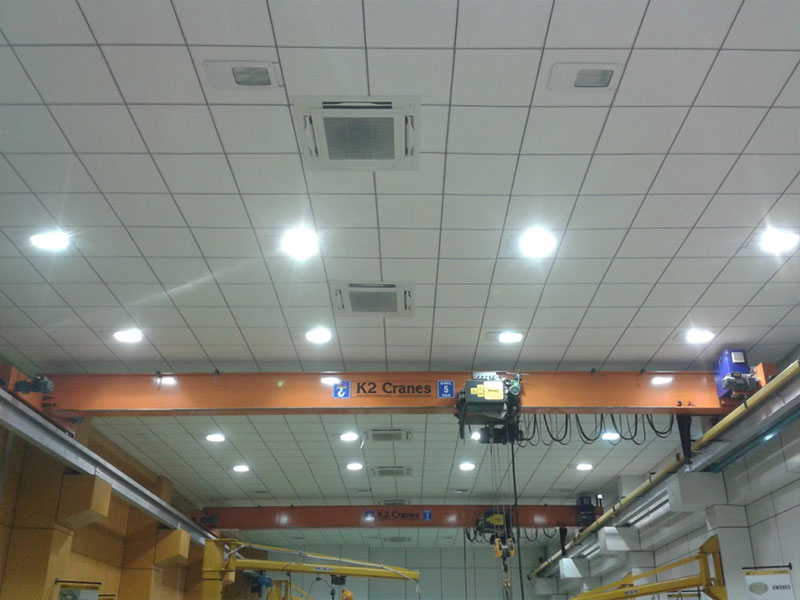
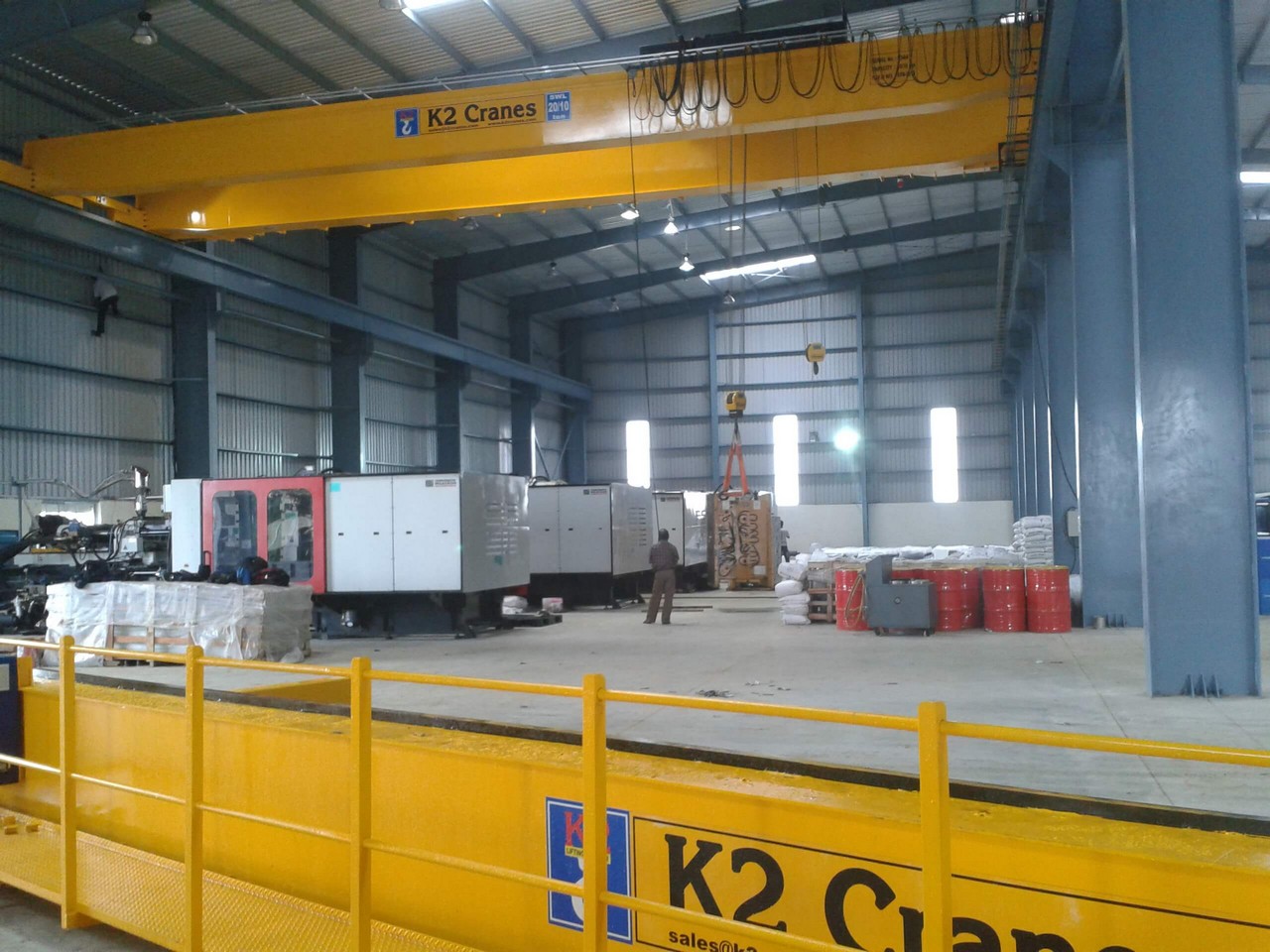
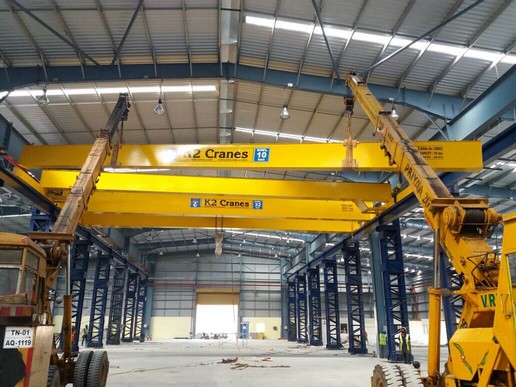
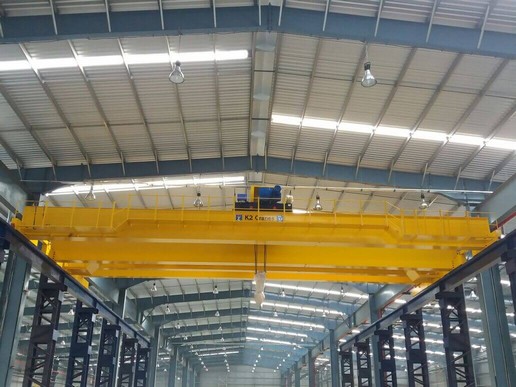
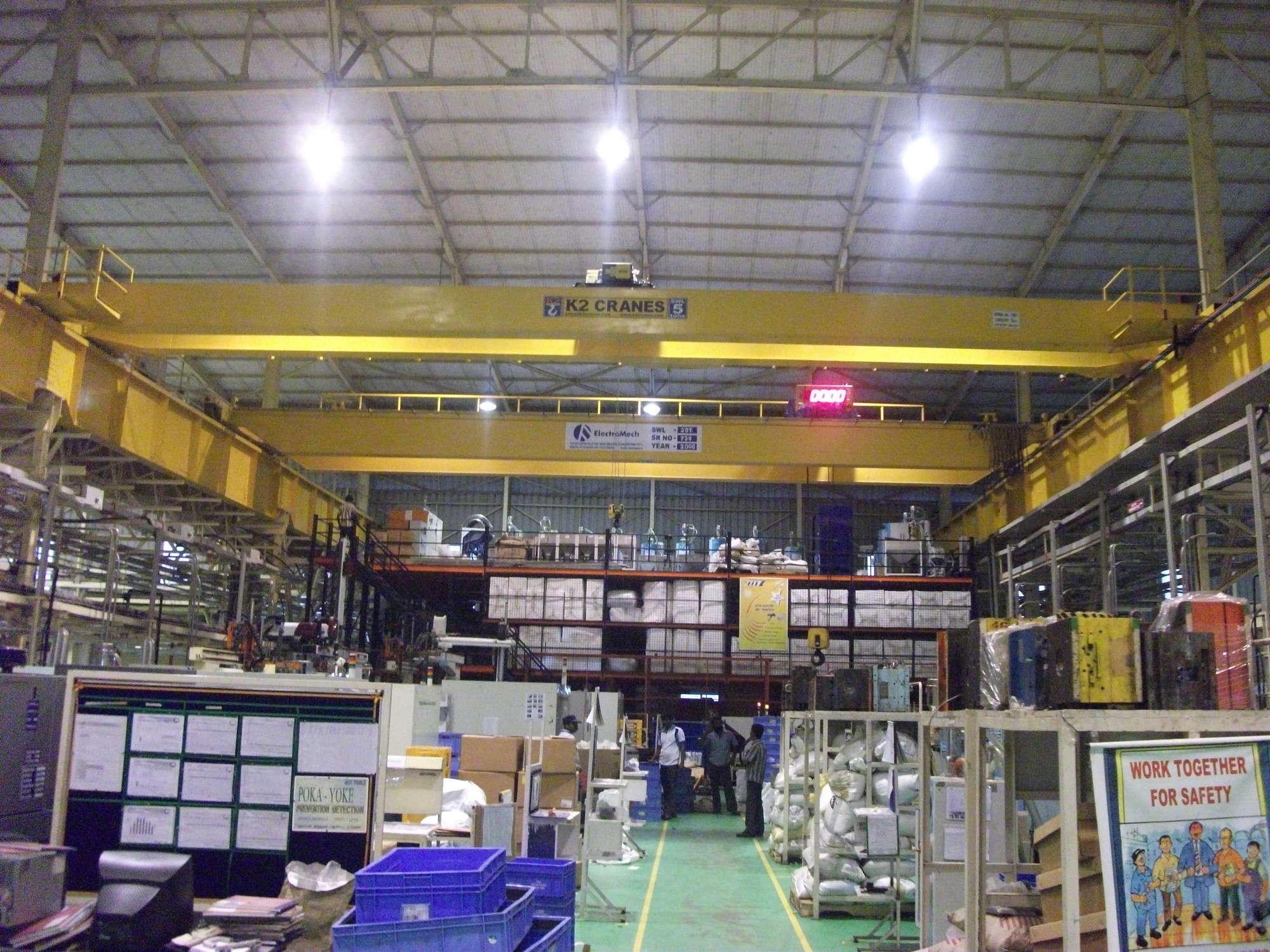
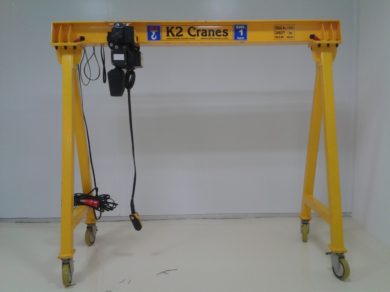
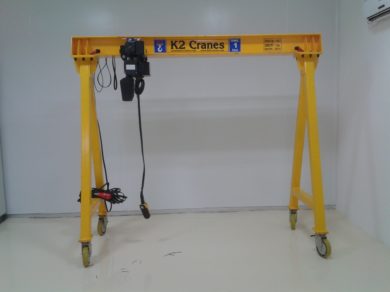
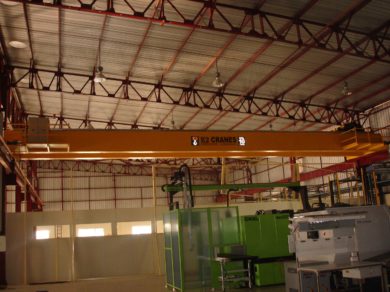
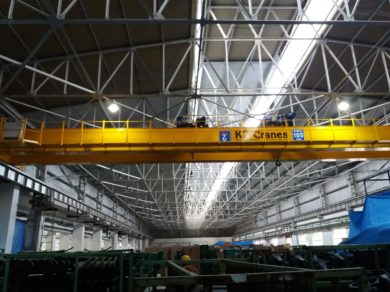
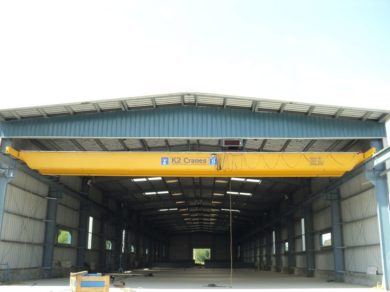
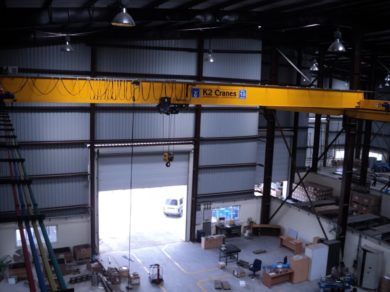
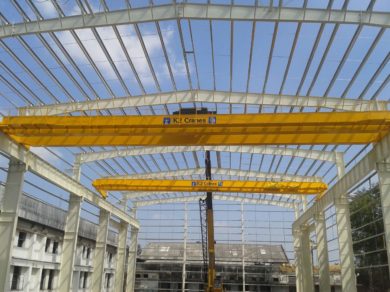
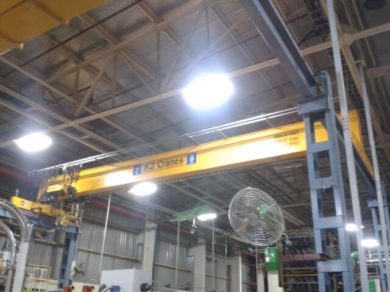
At K2 Cranes & Components Pvt. Ltd., crane systems are designed with lifecycle economics in mind. Engineering decisions prioritize durability, serviceability, and long-term performance rather than short-lived cost advantages.
Because a crane should age like a well-maintained machine, not like a neglected shortcut.
Conclusion
Choosing a crane is not a purchase decision. It is a long-term operational commitment.
When lifecycle cost is evaluated alongside performance, safety, and service support, the right choice becomes clear. Reliable cranes do not just lift loads. They protect productivity, schedules, and peace of mind over decades of operation.