





Common Crane Compliance Myths Industries Still Believe

Introduction
Crane compliance is often misunderstood, underestimated, or conveniently simplified inside industrial facilities. Over time, assumptions turn into habits, and habits turn into myths.
These myths may sound practical, but they quietly expose operations to safety risks, downtime, and legal trouble. Let’s dismantle the most common ones.
Myth 1: “The Crane Is Working Fine, So Compliance Isn’t Urgent”
A crane can operate smoothly while critical components degrade internally. Brake wear, wire rope fatigue, and electrical insulation failure rarely announce themselves loudly.
Compliance inspections exist to detect what normal operation hides.
Myth 2: “Once Certified, It’s Valid Until the Next Renewal”
Certification is not a lifetime guarantee. Operating conditions, load patterns, and environmental factors continuously affect crane health.
Compliance is a process, not a calendar reminder.
Myth 3: “Compliance Is Only for Audits and Inspectors”
This belief turns compliance into a defensive exercise instead of a protective one.
In reality, compliance:
-
Prevents unexpected stoppages
-
Reduces insurance disputes
-
Protects management accountability
-
Improves maintenance planning
Inspectors are a side effect, not the purpose.
Myth 4: “New Cranes Don’t Need Frequent Checks”
New equipment can still be misused, overloaded, or installed incorrectly. Early-stage inspections often catch:
-
Improper alignment
-
Installation errors
-
Operator misuse
-
Electrical inconsistencies
Ignoring compliance in the first year is how small issues become permanent damage.
Myth 5: “In-House Checks Are Enough”
Internal maintenance teams are essential, but compliance requires independent verification. External inspections provide objectivity, updated standards knowledge, and legal validity.
Self-checks without certification do not replace statutory requirements.
Myth 6: “Compliance Slows Down Production”
The opposite is true.
Non-compliance causes:
-
Emergency shutdowns
-
Forced corrective actions
-
Longer downtime under pressure
Planned compliance avoids unplanned chaos.
Reality Check: Compliance Is a Performance Tool
Proper compliance strengthens:
-
Equipment reliability
-
Operational predictability
-
Safety culture
-
Business credibility
It is not about fear of penalties. It is about control.
A Practical Approach to Compliance
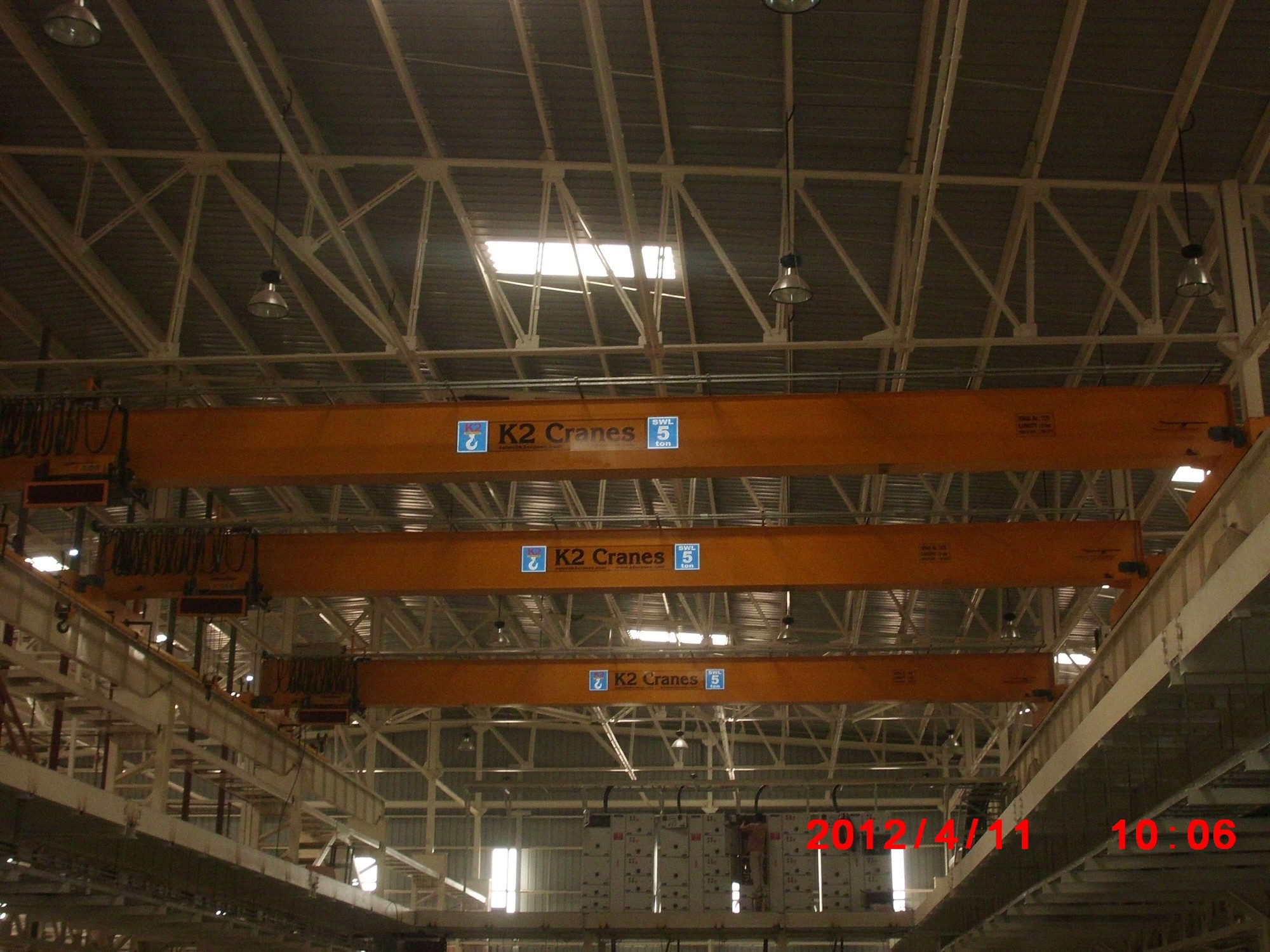
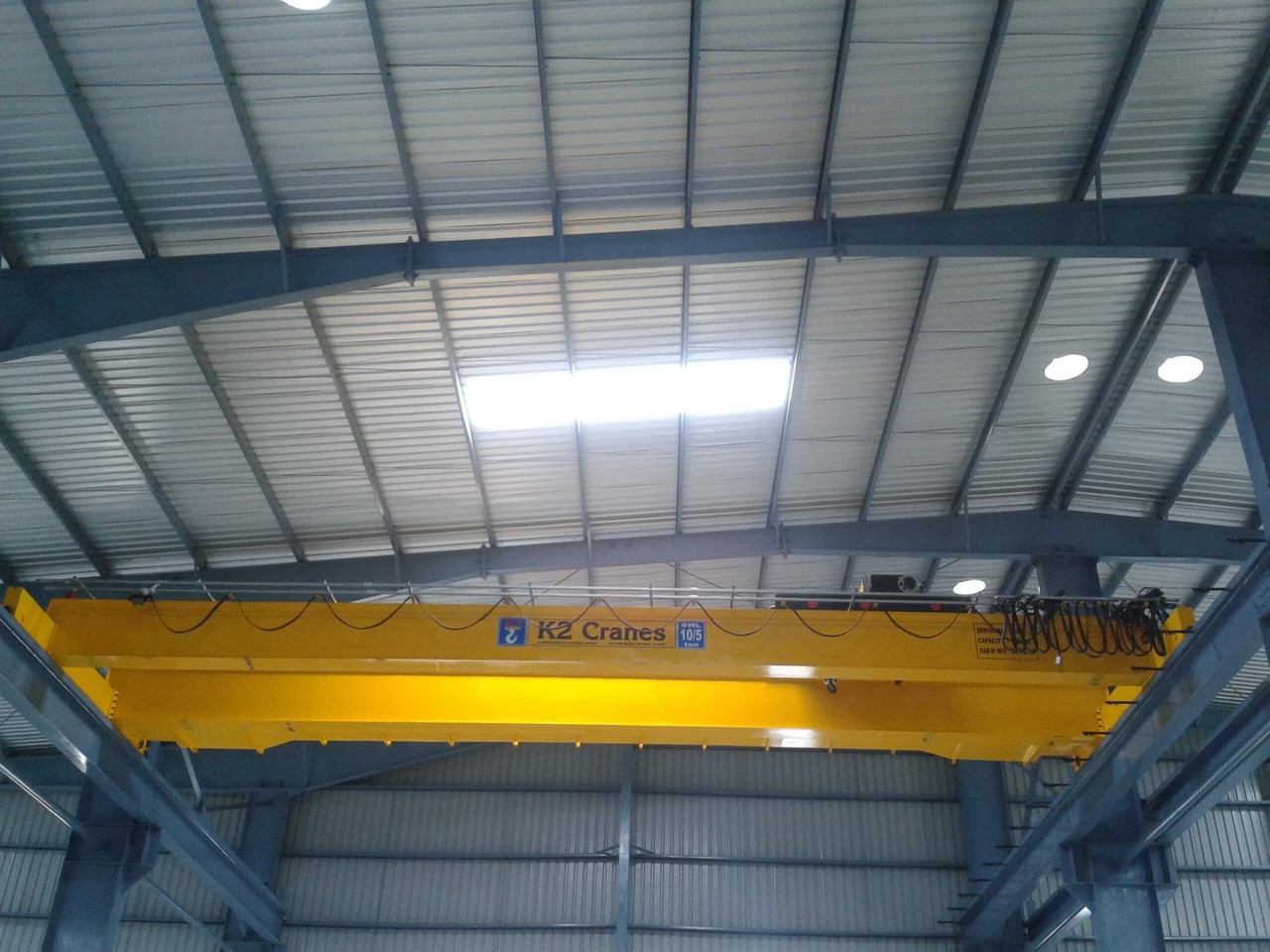
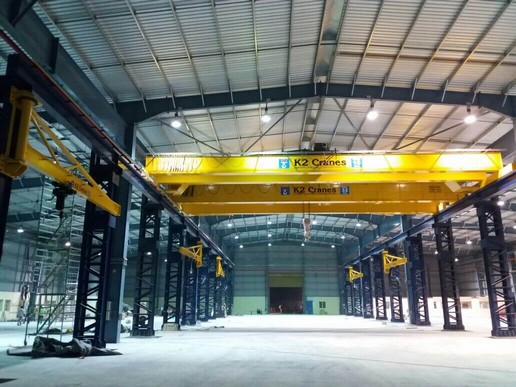
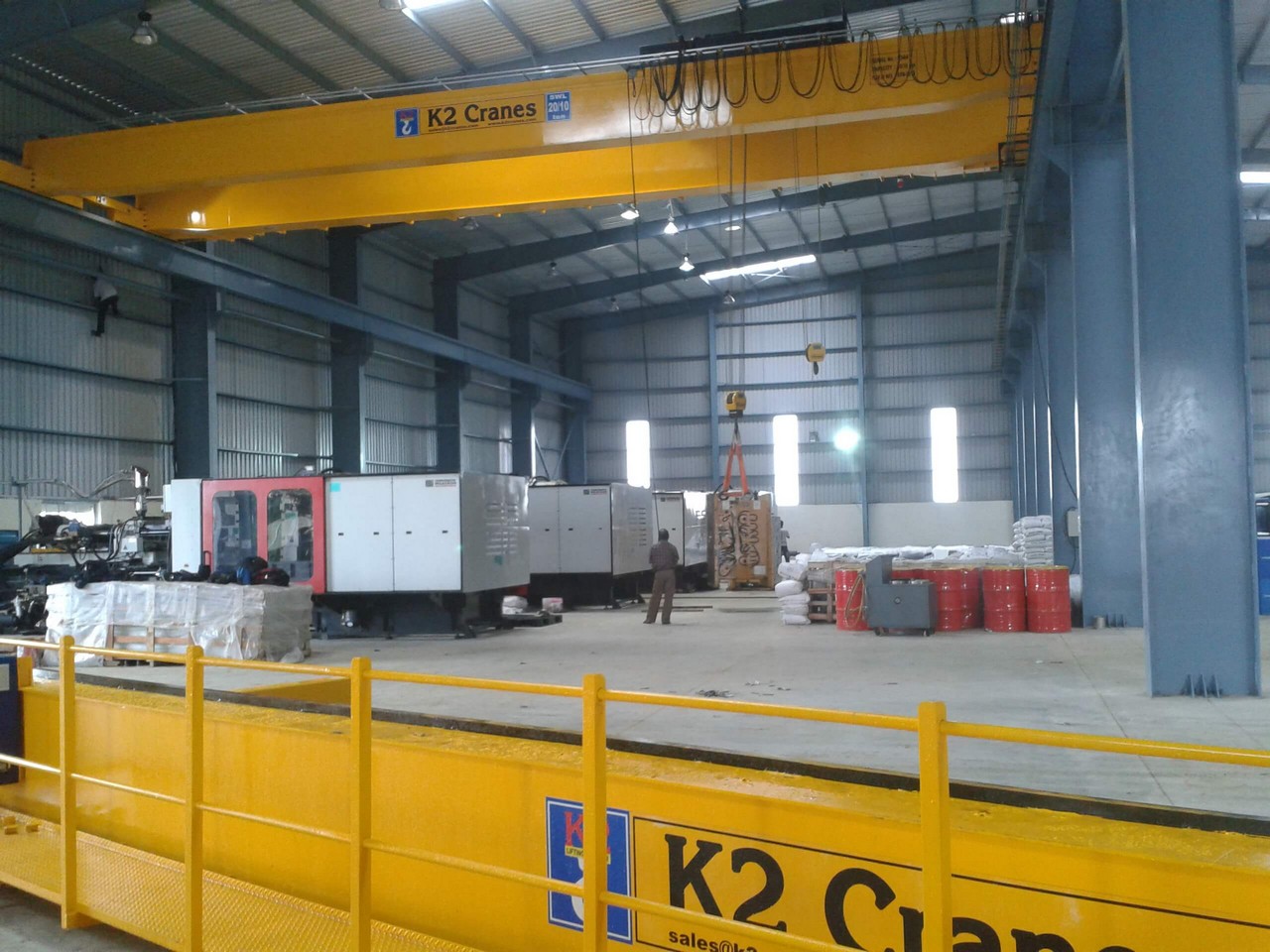
At K2 Cranes & Components Pvt. Ltd., compliance is approached as a structured support system aligned with real operating conditions, not just paperwork. The goal is to keep lifting operations safe, stable, and interruption-free.
Conclusion
Compliance myths survive because problems don’t show up immediately. They show up later, usually at the worst possible time.
Industries that treat crane compliance as a continuous responsibility don’t talk about it much. They don’t need to. Their operations simply keep running.
Believing myths feels convenient.
Following compliance feels boring.
Only one of them keeps factories open.