





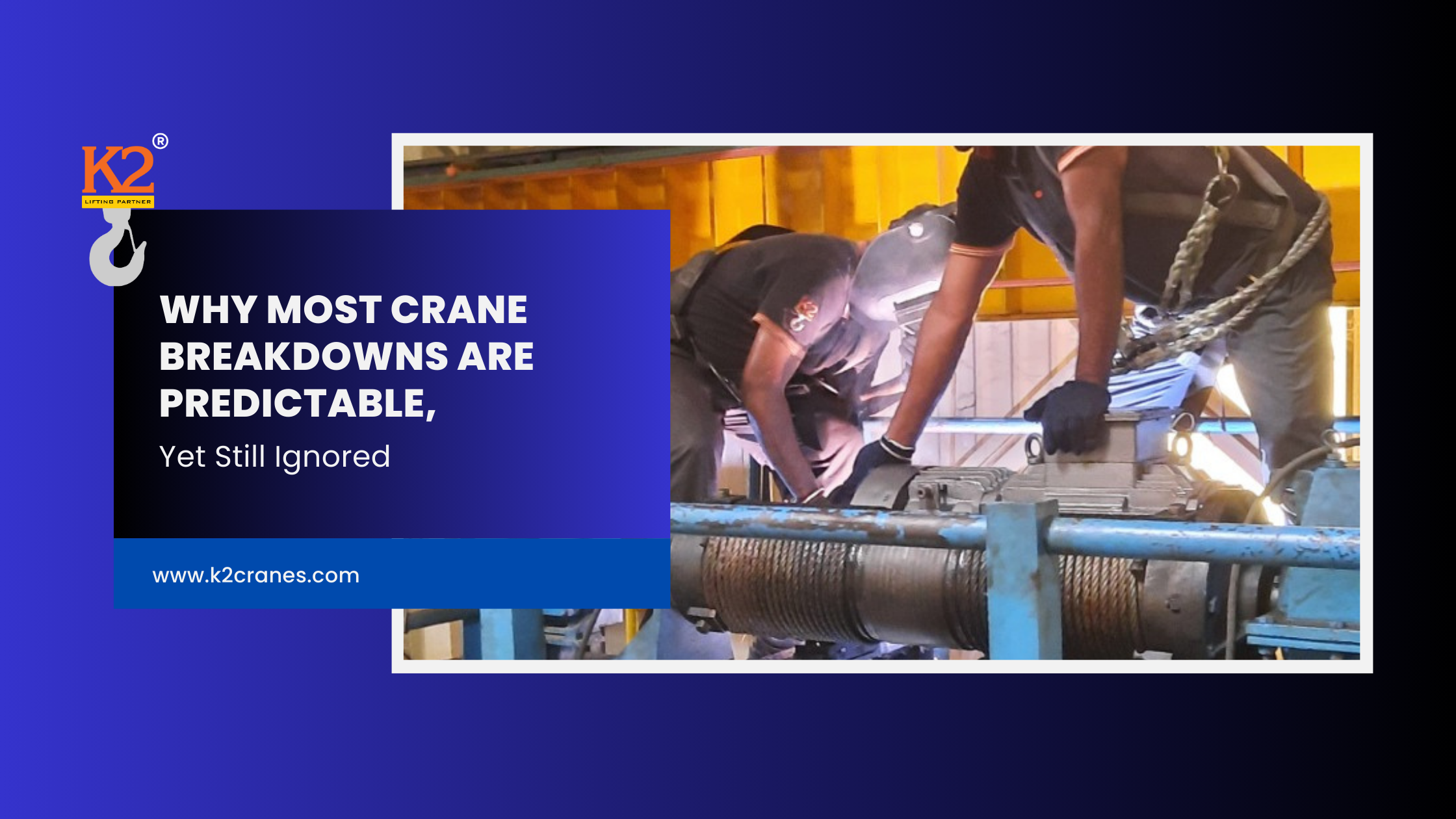
Why Most Crane Breakdowns Are Predictable, Yet Still Ignored
Introduction
In industrial environments, crane breakdowns are often described as sudden or unexpected. In reality, most crane failures develop gradually. The warning signs are usually present long before operations come to a halt.
The problem is not lack of information. It is the tendency to normalize early symptoms and postpone intervention in the name of production continuity.
Breakdown Is a Process, Not an Event
Mechanical systems do not fail instantly. Components wear, alignments drift, lubrication degrades, and electrical systems lose efficiency over time.
Common progressive failure patterns include:
-
Brake linings wearing unevenly
-
Gear teeth developing micro-pitting
-
Bearings generating excess heat
-
Electrical contacts degrading due to arcing
Each of these conditions worsens gradually and can be detected if monitored correctly.
Early Warning Signs That Get Ignored
Most cranes give clear operational feedback before failure:
-
Changes in sound during lifting or lowering
-
Increased vibration during trolley travel
-
Delayed braking response
-
Irregular hoist speeds
These symptoms are often dismissed as “normal aging,” even though they signal correctable issues.
Why Industries Delay Action
Operational pressure plays a major role. Plants prioritize output, delivery schedules, and manpower utilization. Short stoppages for inspection feel disruptive, while long-term risks feel abstract.
Unfortunately, unplanned failures always result in longer downtime than planned maintenance.
Financial Impact of Unplanned Breakdown
Emergency repairs typically involve:
-
Rush procurement of spares
-
Overtime labor costs
-
Secondary component damage
-
Production loss during extended downtime
These costs are significantly higher than scheduled interventions.
Predictive Maintenance as Risk Control
Predictive and preventive maintenance strategies focus on:
-
Scheduled inspections
-
Condition-based monitoring
-
Planned component replacement
This approach reduces uncertainty and increases operational predictability.
Building a Culture That Responds Early
Early action requires:
-
Operator awareness
-
Clear reporting channels
-
Maintenance authority to stop operations when necessary
Without this structure, early warnings remain ignored.
Engineering Support Matters
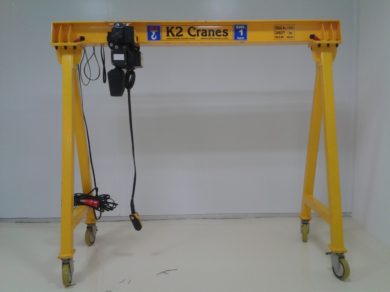
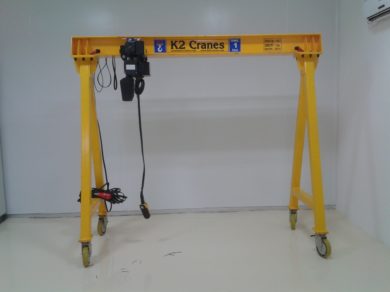
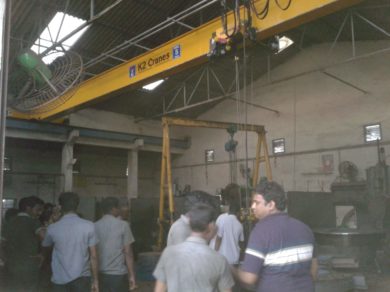
At K2 Cranes & Components Pvt. Ltd., service approaches emphasize identifying early-stage issues before they become failures, helping industries avoid costly disruptions and safety risks.
Conclusion
Most crane breakdowns are not sudden failures. They are the result of accumulated warnings that went unaddressed.
Listening early costs less.
Ignoring signals costs production.