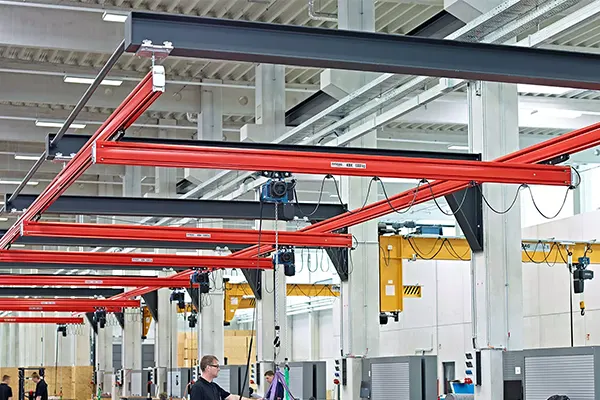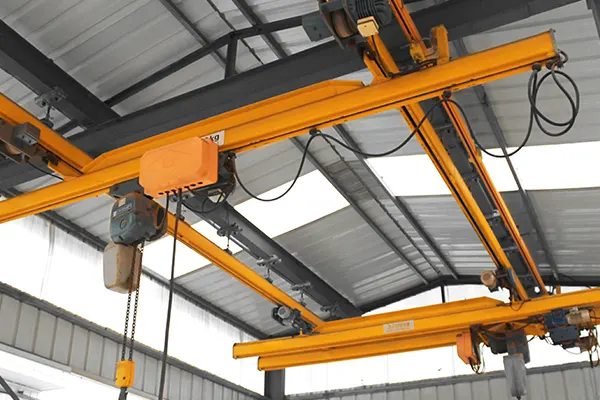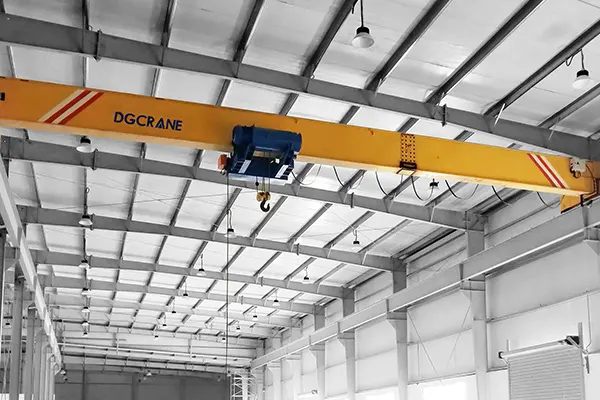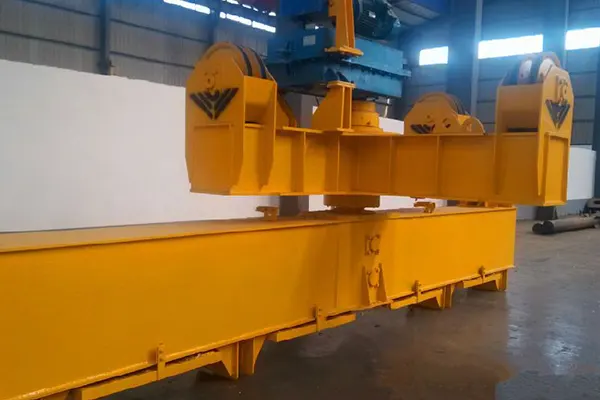






How Plant Layout Quietly Limits Crane Performance
Introduction
When crane performance drops, the immediate suspicion falls on motors, controls, or mechanical components. Rarely does anyone question the plant layout itself.
This oversight costs productivity every single day.
Why Layout Directly Affects Crane Efficiency
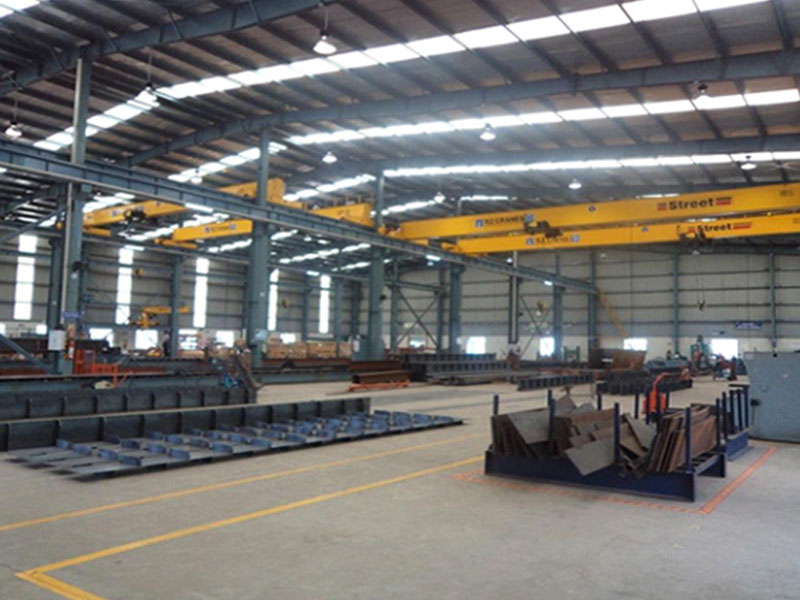
Cranes do not operate in isolation. They interact with:
-
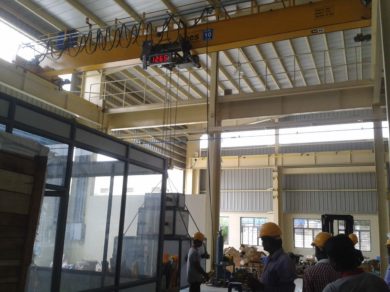
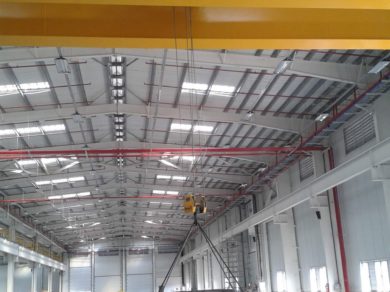
Building structure
-
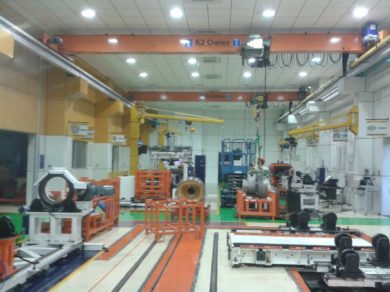
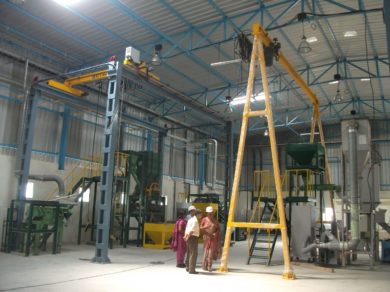
Equipment placement
-
Material flow paths
-
Human movement zones
A poor layout restricts even the best-engineered crane.
Common Layout Mistakes That Reduce Productivity
Structural and Planning Issues
-
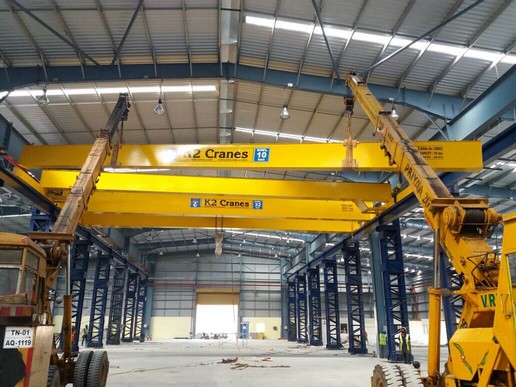
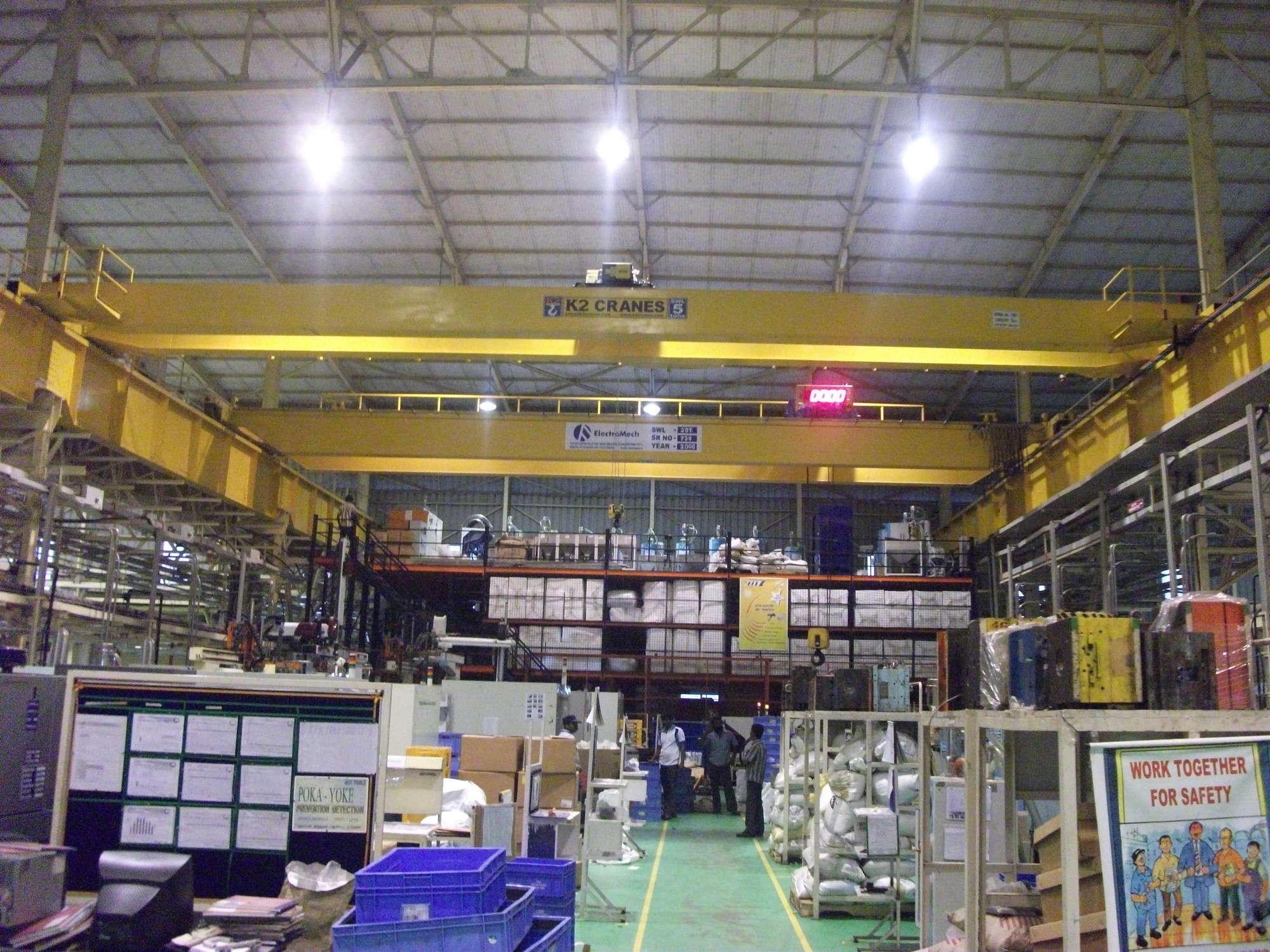
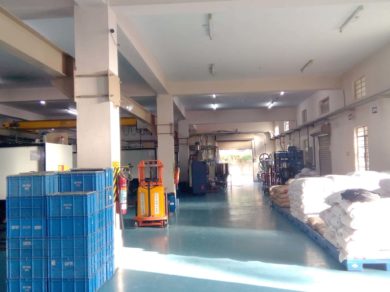
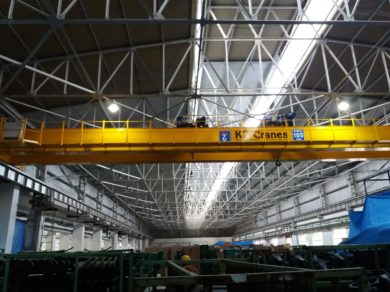
Obstructed crane travel paths
-
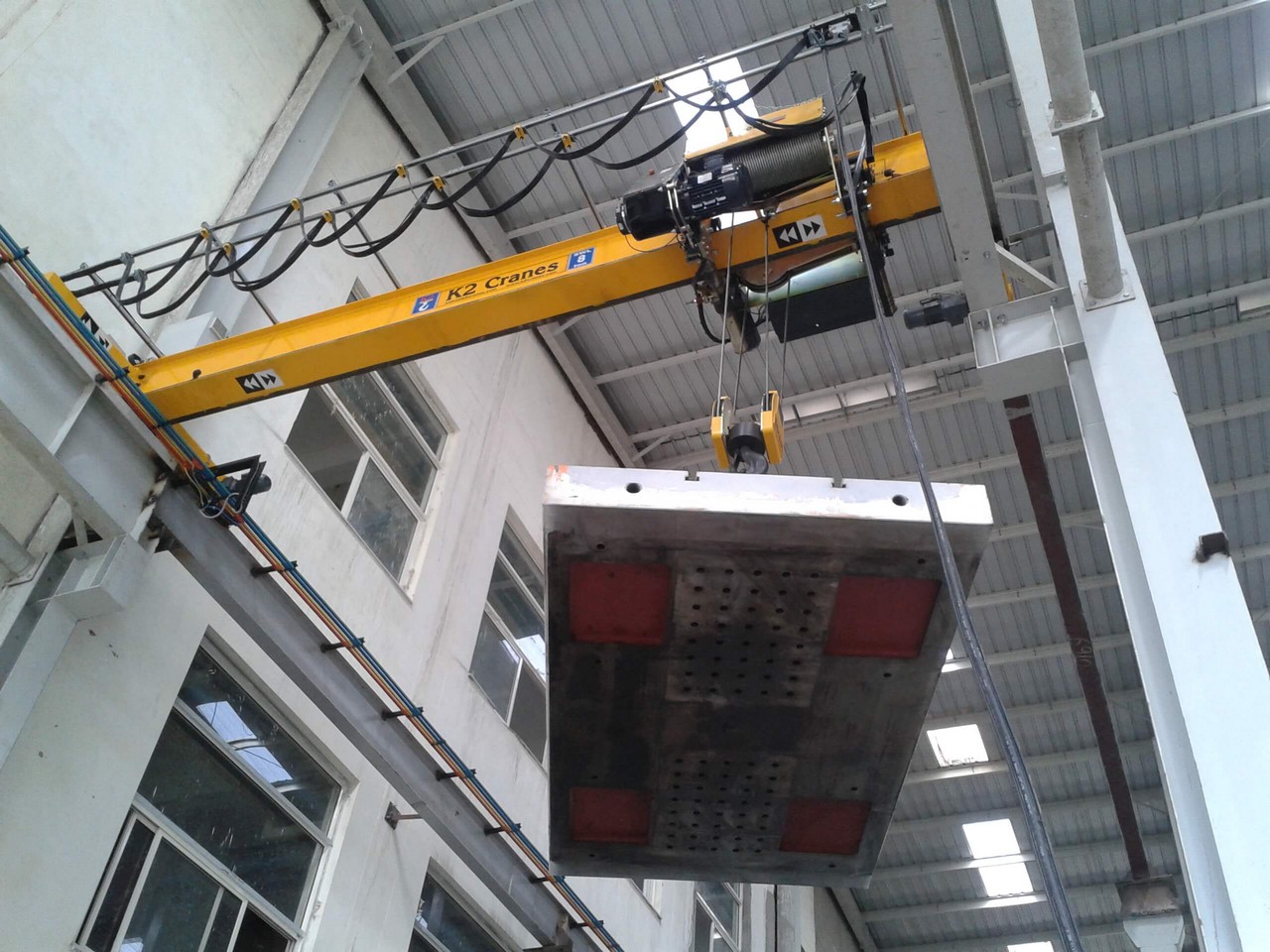
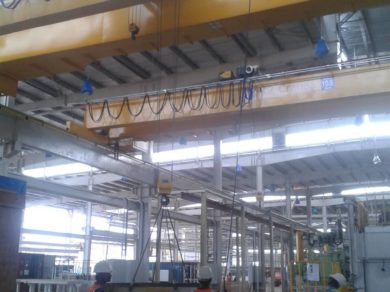
Inadequate hook approach clearance
-
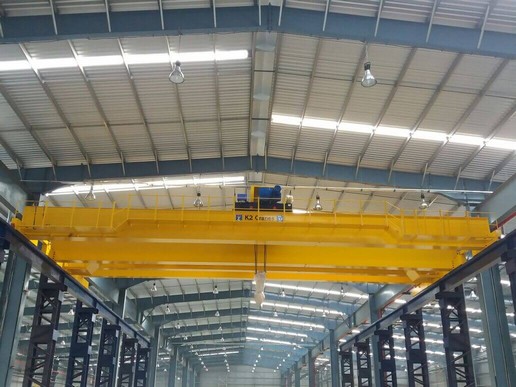
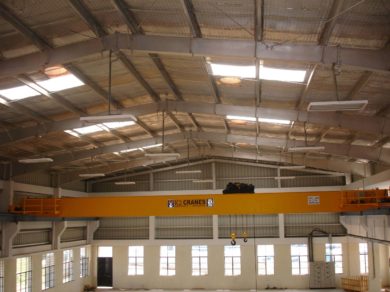
Inefficient bay widths
-
Poor column positioning
Operational Issues
-
Load movement crossing active work zones
-
Excessive re-handling due to poor flow
-
Operator visibility limitations
None of these stop the crane completely. They quietly slow everything down.
Hidden Costs of Inefficient Crane Layout
Poor layout leads to:
-
Longer cycle times
-
Increased operator fatigue
-
Higher collision and safety risk
-
Reduced plant throughput
These losses accumulate daily and rarely appear in reports.
Designing Layouts Around Material Flow
Efficient layouts prioritize:
-
Load movement frequency
-
Pick-and-drop accuracy
-
Future expansion flexibility
-
Clear visibility for operators
Crane systems must support workflow, not obstruct it.
When Layout Correction Is Still Possible
Layout issues can often be corrected through:
-
Crane modernization
-
Rail repositioning
-
Workflow reconfiguration
-
Additional lifting zones
Ignoring layout limitations locks inefficiency into daily operations.
Engineering Perspective on Layout Planning
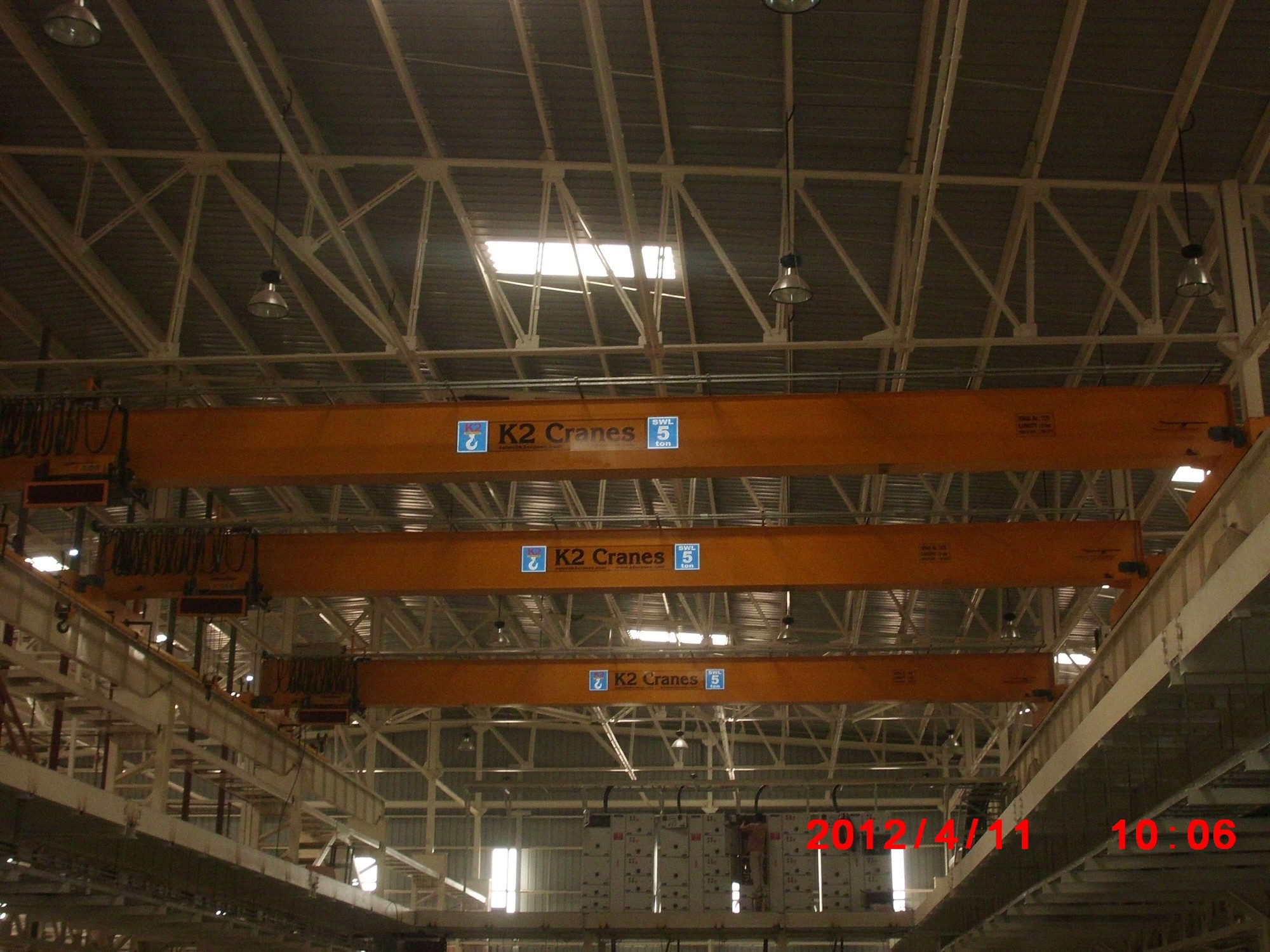
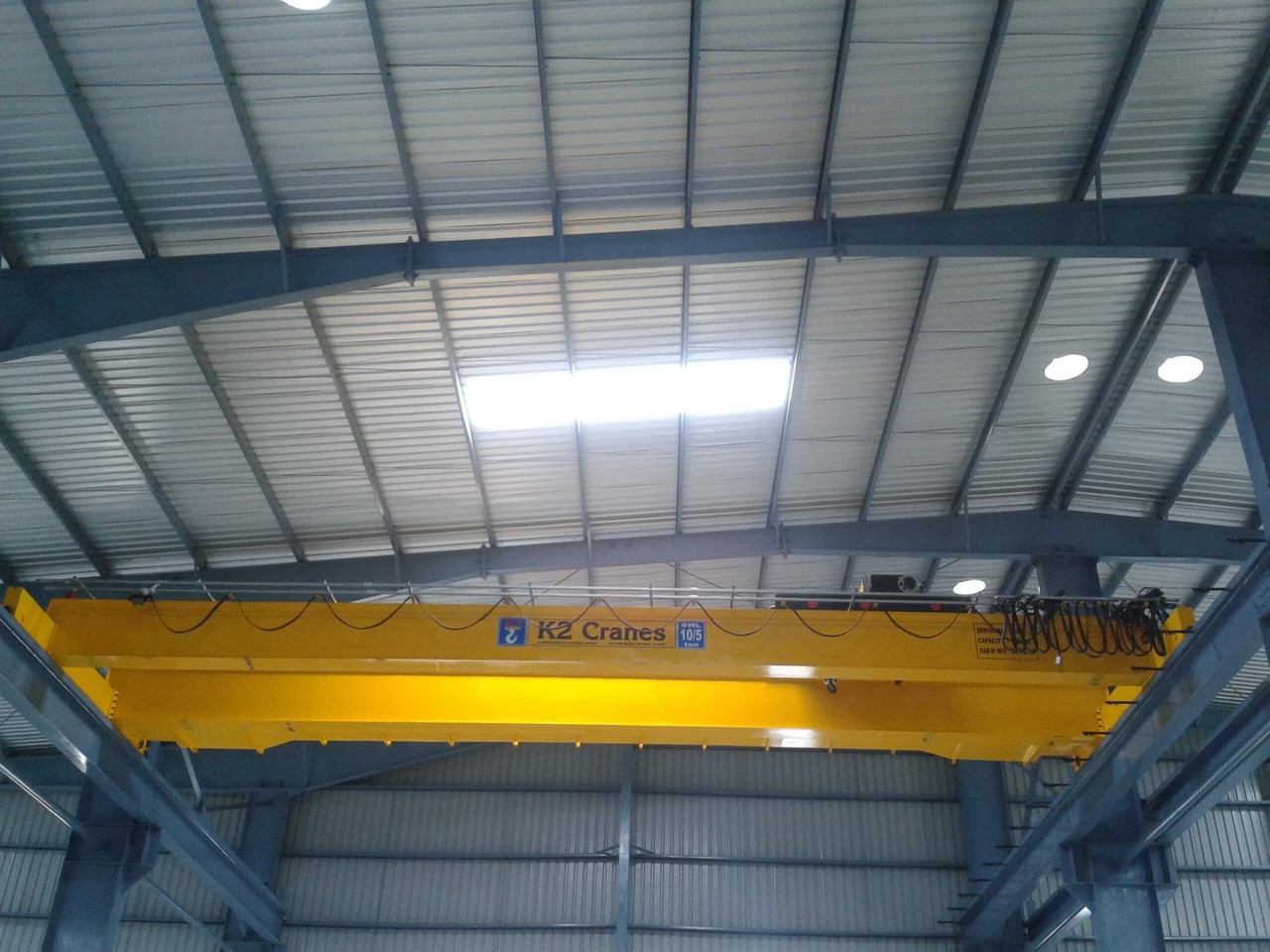
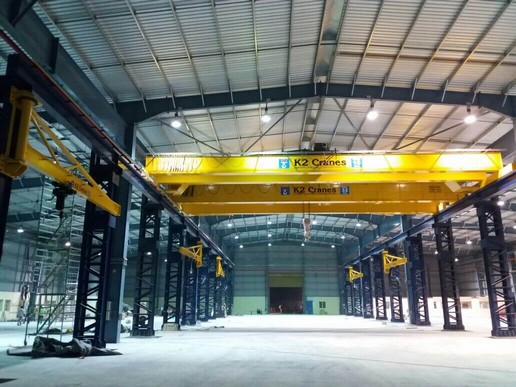
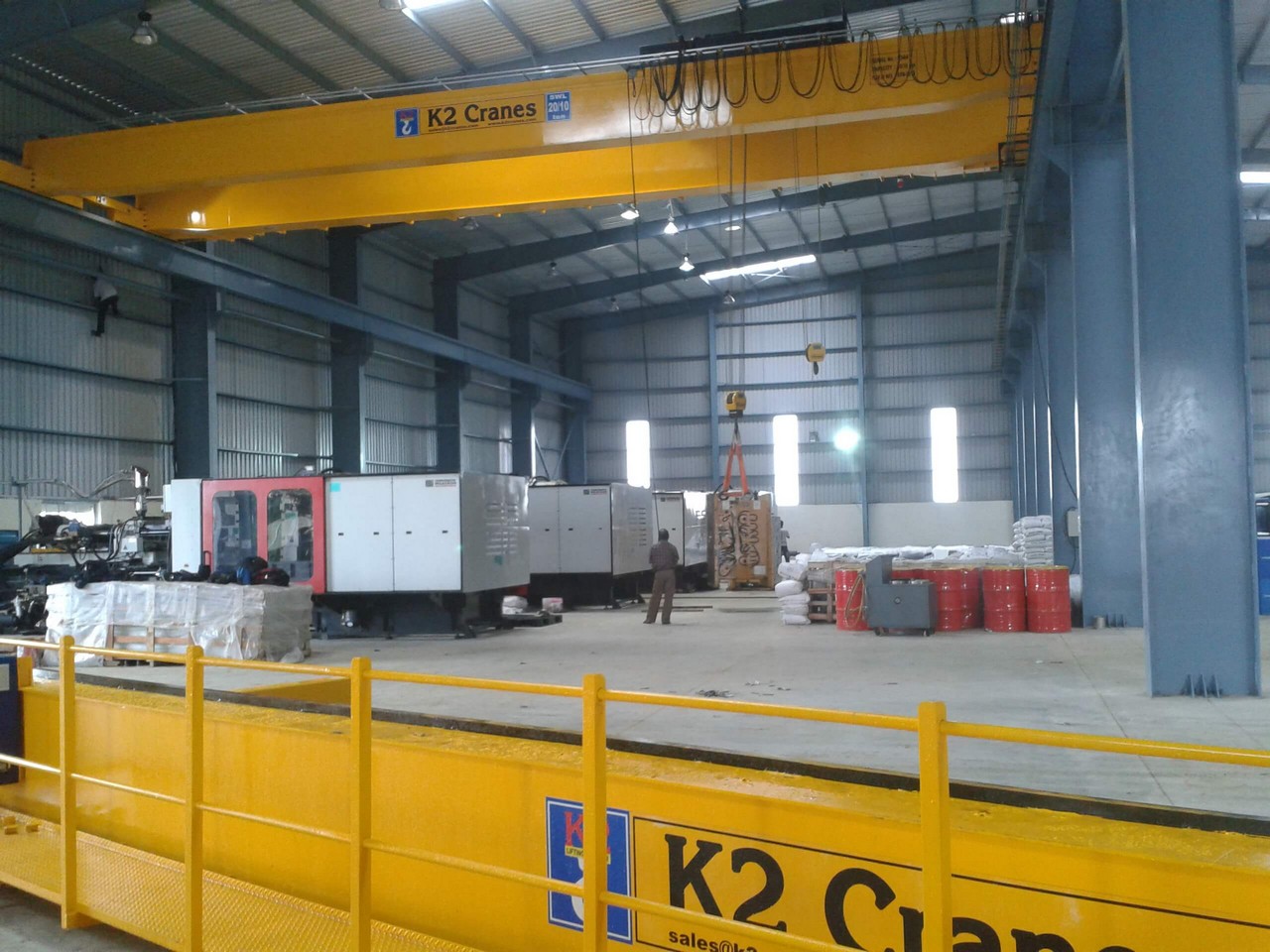
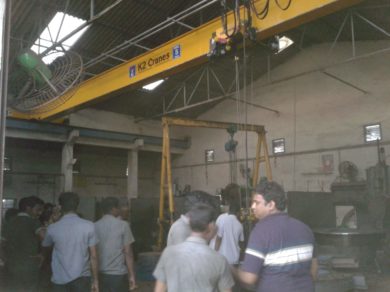
At K2 Cranes & Components Pvt. Ltd., crane solutions consider plant layout and material flow early in the design phase to ensure lifting systems enhance productivity instead of limiting it.
Conclusion
Crane performance is not just about lifting capacity.
Space, flow, and movement define how effectively cranes support production.
A good layout multiplies efficiency.
A bad layout quietly drains it.