





Why Standardized Crane Spares Matter More Than Brand Names
Introduction
During crane purchase, brand reputation often dominates decision-making. Years later, when the crane needs repair, brand value matters far less than spare availability.
Downtime is not caused by failures alone. It is caused by waiting for parts.
The Hidden Risk of Non-Standard Components
Cranes built with proprietary or rare components face:
-
Long procurement timelines
-
Dependence on single suppliers
-
High spare costs
-
Extended production stoppages
Minor failures become major shutdowns due to part unavailability.
Why Standardized Spares Reduce Downtime
Standardized components offer:
-
Faster procurement
-
Interchangeability
-
Predictable maintenance schedules
-
Easier inventory planning
They turn repairs into routine events rather than emergencies.
Spare Strategy Determines Long-Term Reliability
A crane’s reliability depends on:
-
Ease of repair
-
Speed of part replacement
-
Availability of technical support
A crane that cannot be repaired quickly is not operationally reliable, regardless of build quality.
Cost Impact Over the Crane’s Life
Non-standard spares increase:
-
Maintenance expenditure
-
Inventory complexity
-
Downtime losses
Standardization reduces total ownership cost over the crane’s lifecycle.
Designing for Serviceability
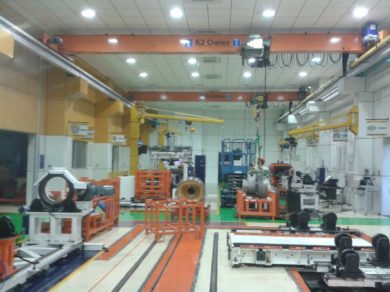
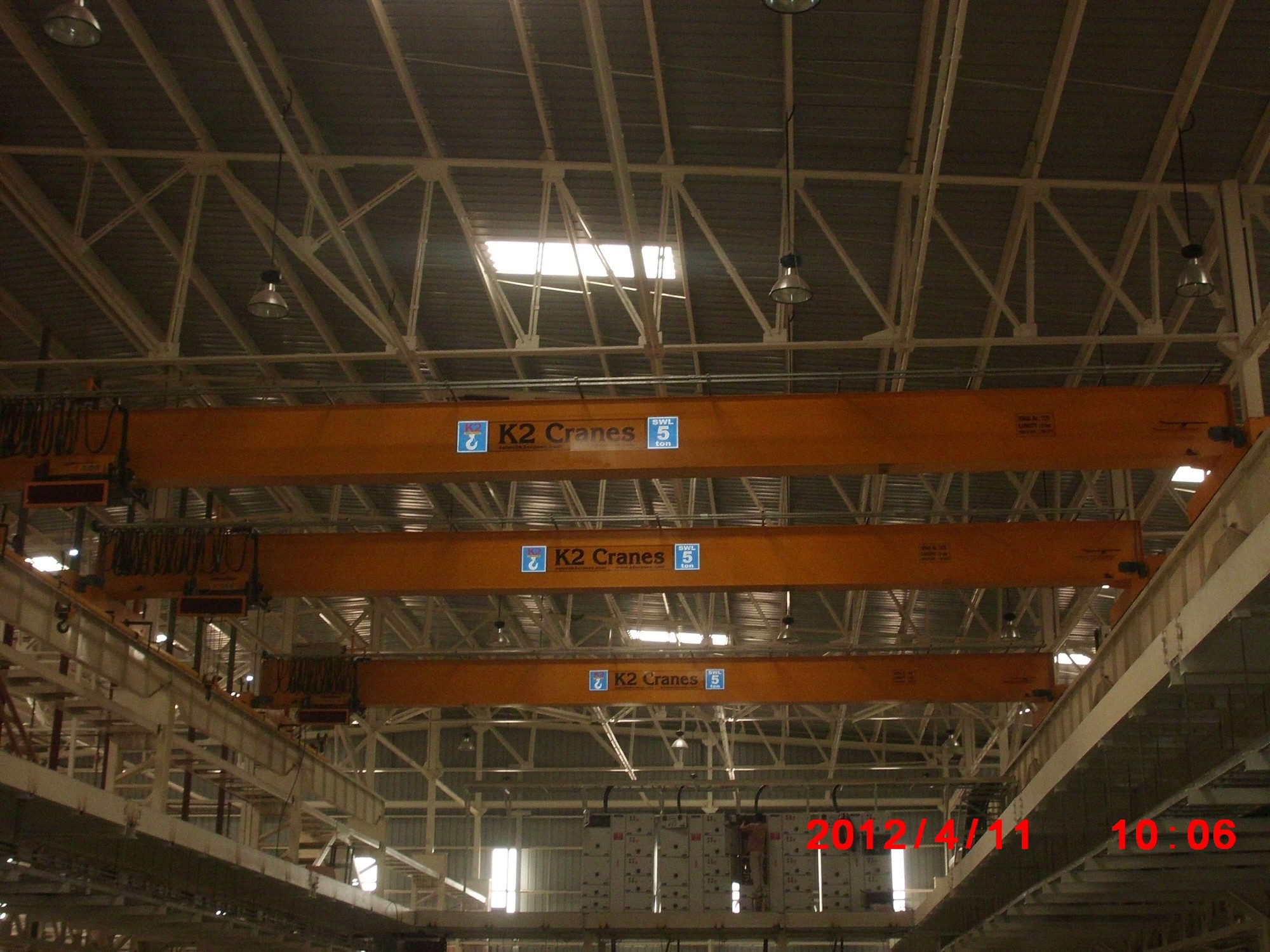
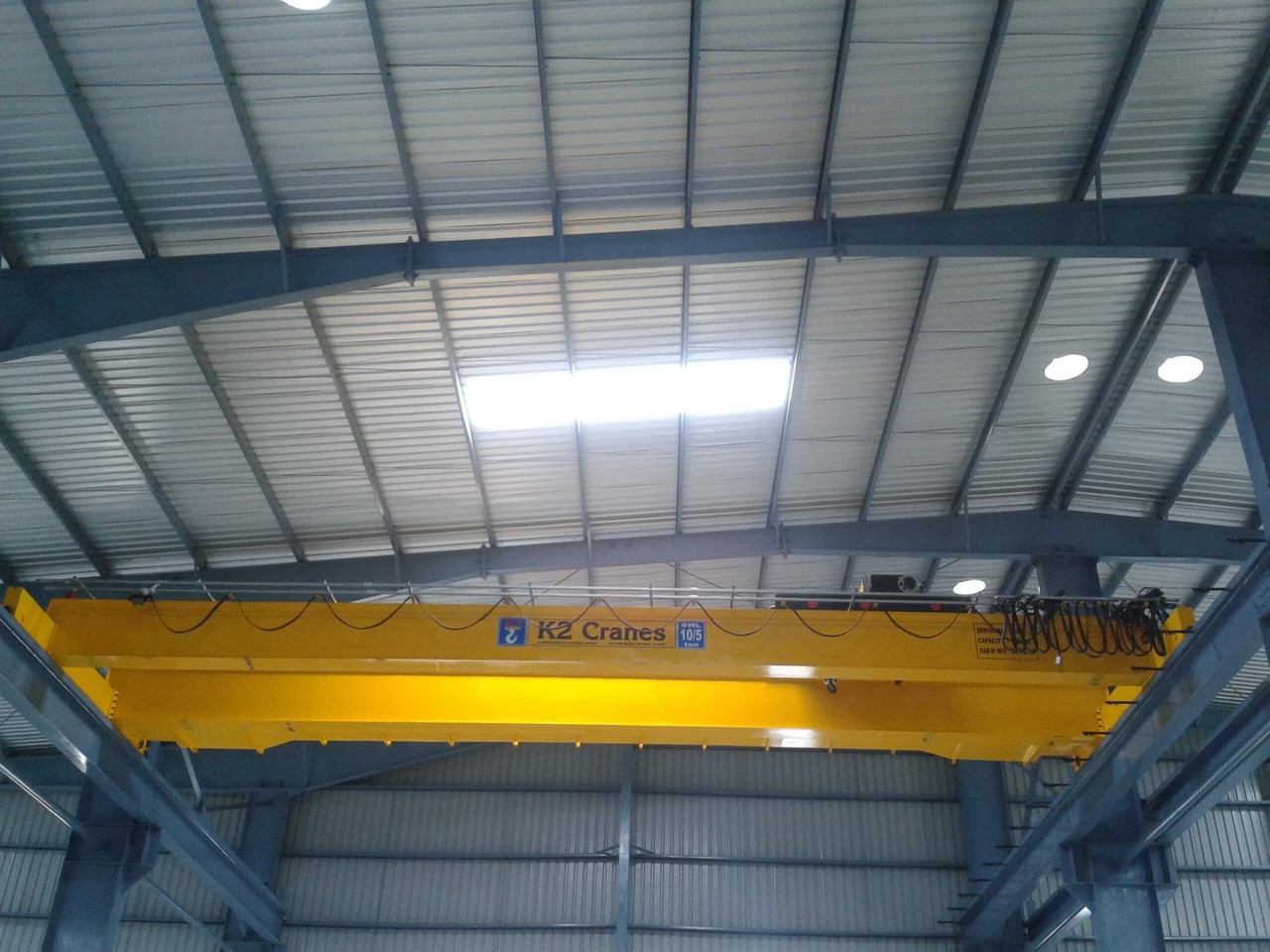
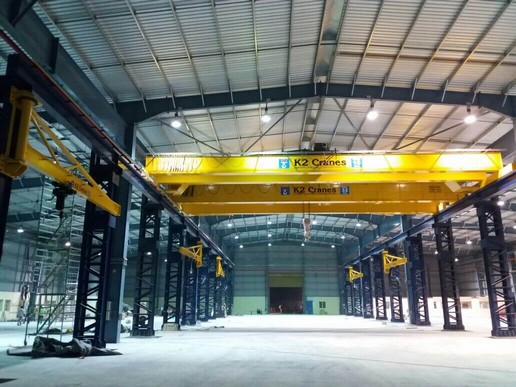
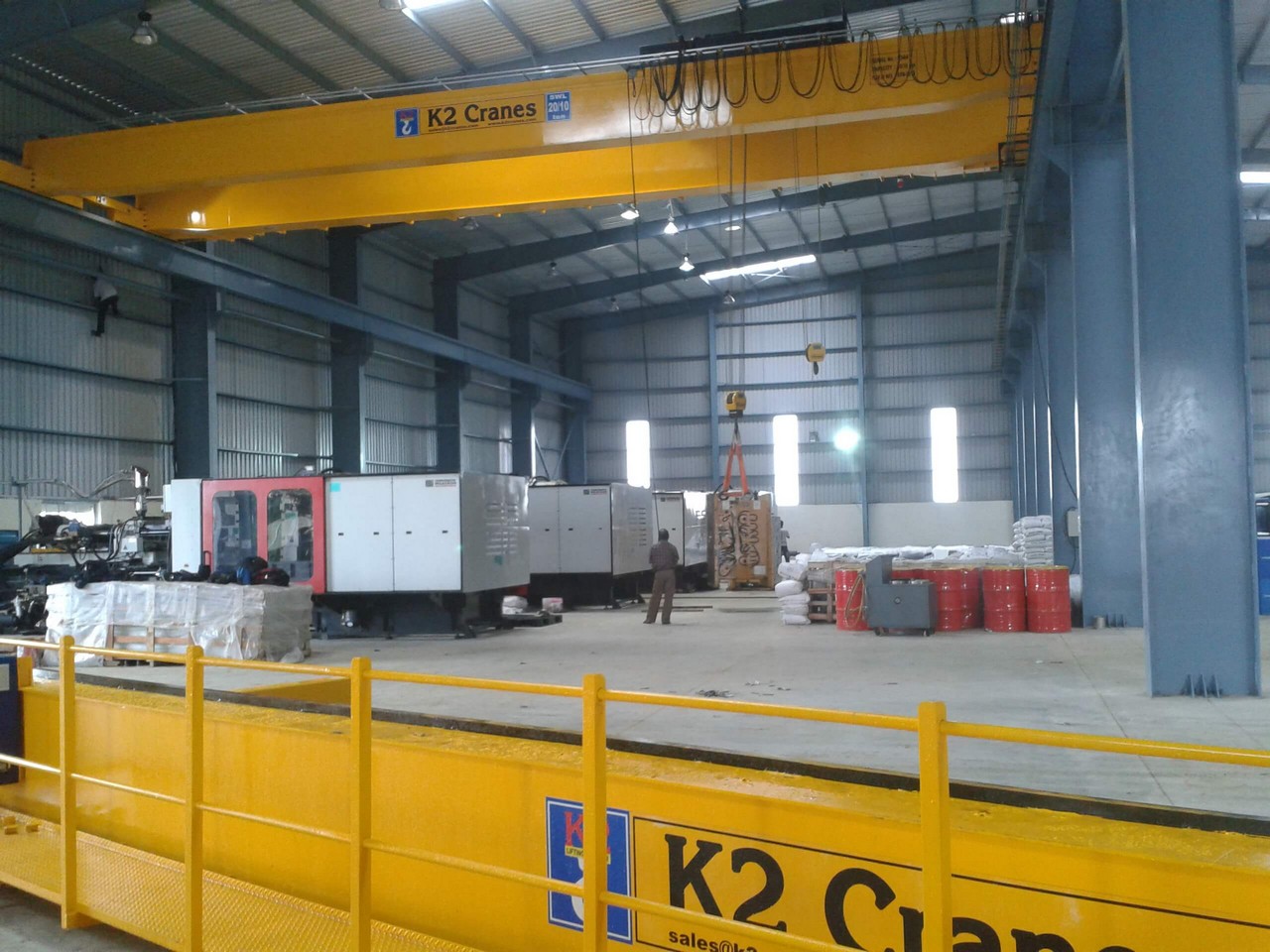
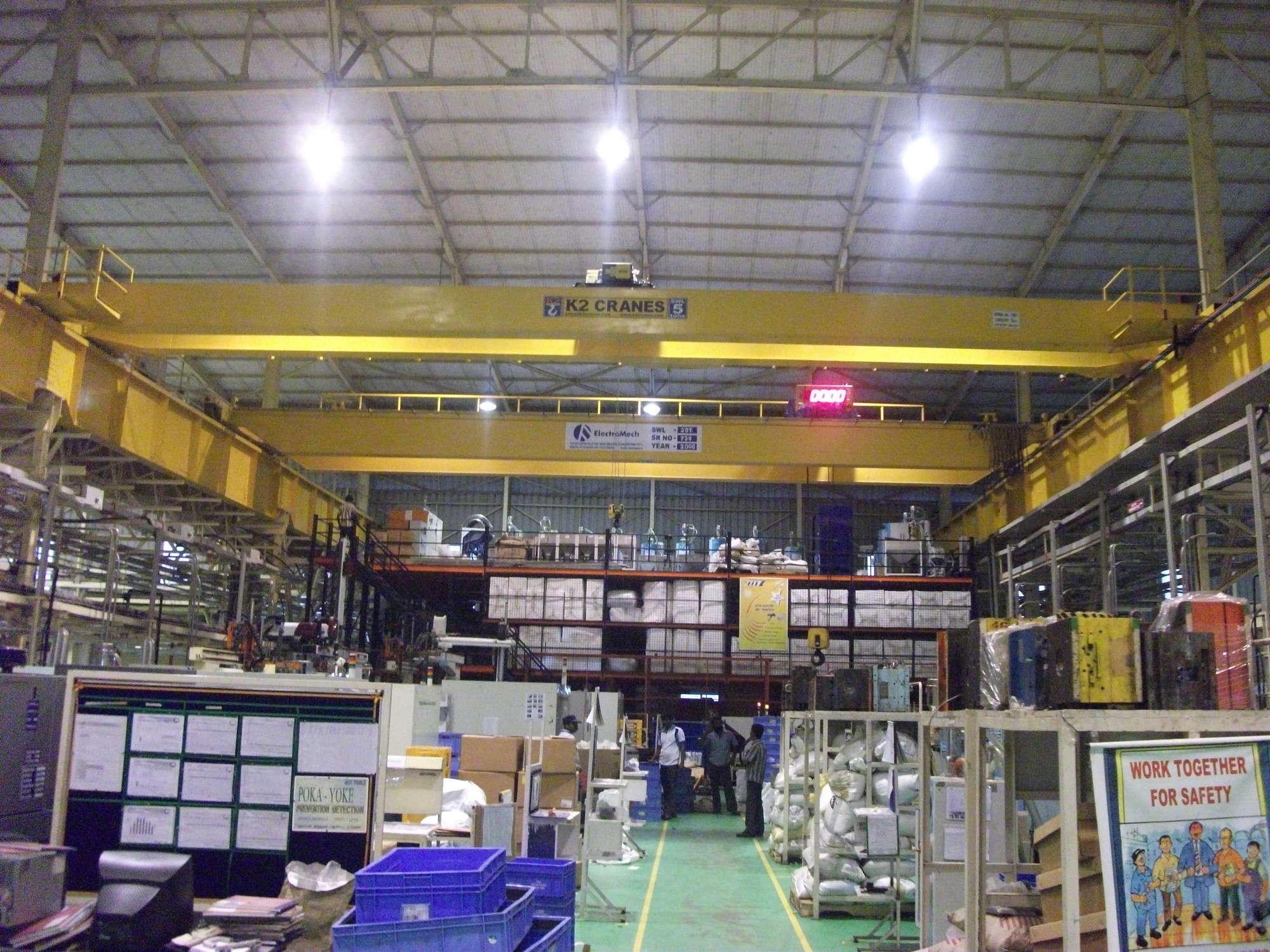
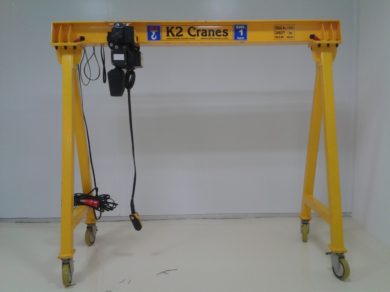
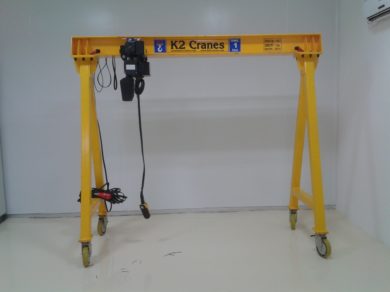
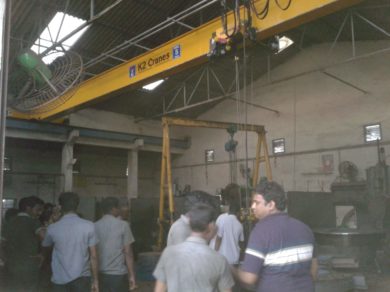
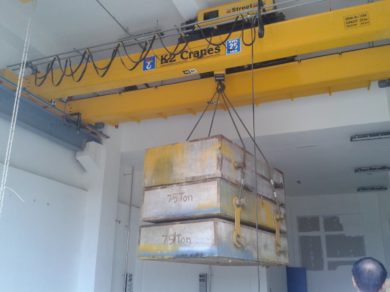
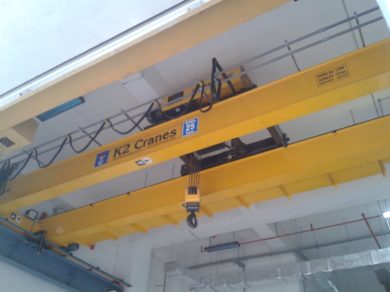
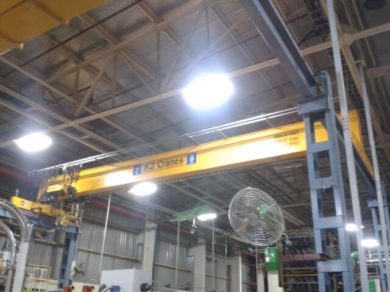
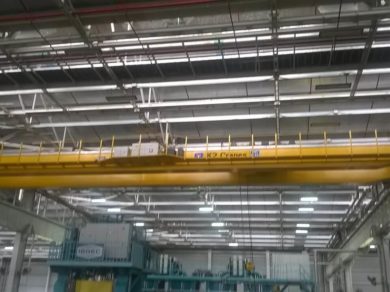
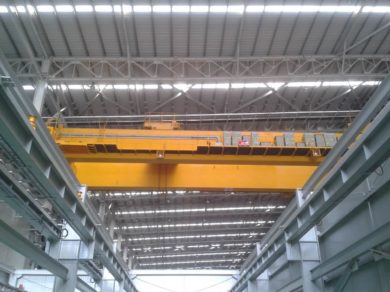
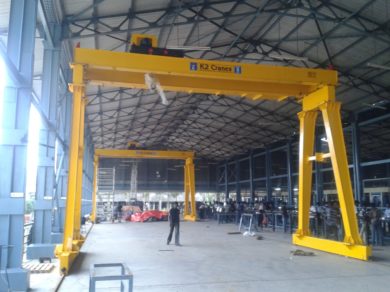
At K2 Cranes & Components Pvt. Ltd., crane systems are engineered with serviceability and spare availability in mind, ensuring long-term operational continuity.
Conclusion
Brand names fade during breakdowns.
Spare availability decides recovery speed.
The smartest crane investments prioritize serviceability, not just specifications.